

Bitcoin has revolutionized the way we think about money. Yet, one of its most misunderstood aspects remains the transaction fee. For many enthusiasts and investors, understanding how Bitcoin fees work is key to making smarter decisions. Whether you’re sending a small amount or a large transfer, knowing how to navigate fee structures can save you time and money. This guide aims to clarify how Bitcoin transaction fees are calculated, what influences their fluctuations, and how you can optimize your costs.
Understanding Bitcoin transaction fees helps you control costs and improve transaction speed. By considering network conditions, fee types, and timing, you can make smarter crypto moves and avoid overpaying.
How Bitcoin Transaction Fees Work
Bitcoin relies on miners to validate transactions and add them to the blockchain. To prioritize transactions, miners choose which ones to include based on the fees attached. The higher the fee, the more likely your transaction will be confirmed faster.
Transaction fees are not fixed. Instead, they fluctuate depending on network demand and transaction size. When many users are sending Bitcoin at once, fees tend to rise. During quieter periods, fees decrease. This dynamic nature means you need to stay aware of current conditions to optimize your costs.
What Determines Bitcoin Transaction Fees
Several factors influence how much you’ll pay for a Bitcoin transaction:
- Transaction size in bytes: Larger transactions with more inputs and outputs consume more block space, leading to higher fees.
- Network congestion: When the mempool (a pool of unconfirmed transactions) is crowded, fees surge as users compete for limited block space.
- Fee rate in satoshis per byte: Miners prioritize transactions with higher fee rates. You can set your fee based on the current market to get timely confirmation.
- Type of transaction: Simple transfers typically cost less than complex ones involving multiple inputs or smart contract interactions.
How to Calculate and Set Your Transaction Fees
Knowing how to estimate and set your Bitcoin fees can make a big difference. Here’s a step-by-step process:
- Check current fee rates: Use tools like mempool.space or Bitcoinfees.cash to see recommended fee rates for different confirmation times.
- Assess your urgency: If you need your transaction confirmed quickly, opt for a higher fee. For less urgent transfers, choose a lower rate.
- Calculate your fee: Multiply the transaction size in bytes by the fee rate in satoshis per byte to find your total fee. For example, if your transaction is 250 bytes and the current fee rate is 50 satoshis per byte, your fee is 12,500 satoshis.
- Set your fee: Many wallets allow you to customize fees. Use real-time data to set a rate that balances cost and confirmation speed.
- Monitor confirmation status: Keep an eye on transaction confirmations via blockchain explorers or your wallet app.
“Adjusting your fee based on network conditions can help you avoid overpaying or facing long waits. Tools that display current recommended rates are invaluable for this.” — Crypto transaction expert
Techniques to Optimize Your Bitcoin Transaction Fees
Here are some practical techniques to keep your costs low without sacrificing confirmation times:
- Use wallets that support fee estimation and automatic adjustment.
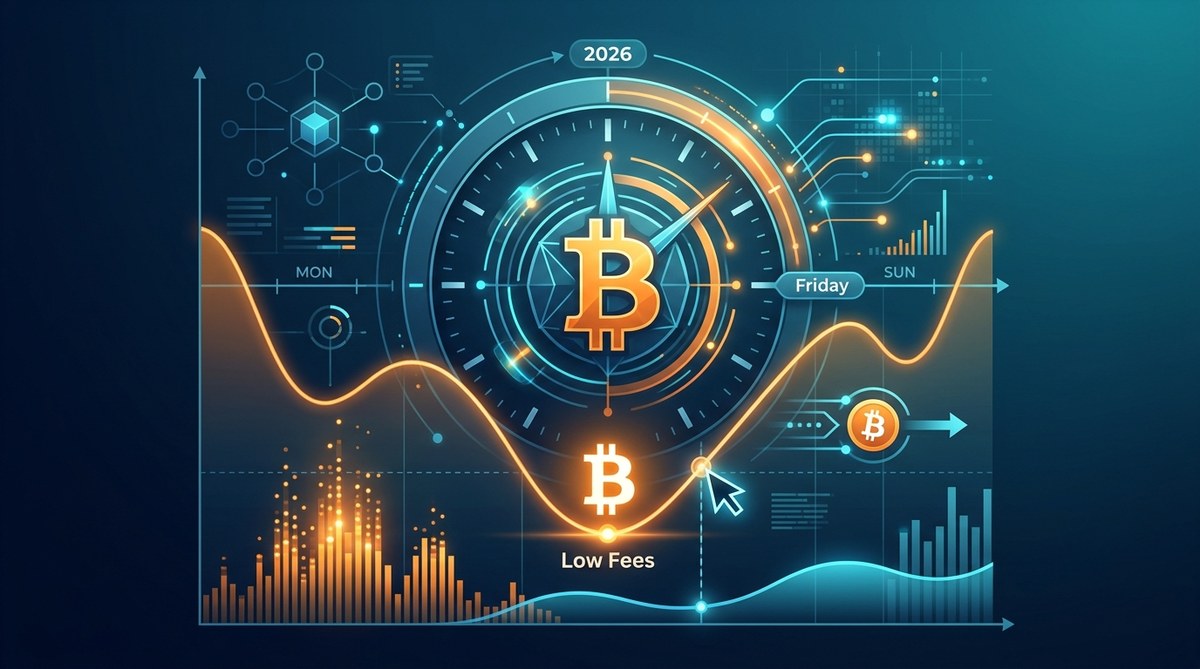
- Send transactions during off-peak hours when network activity is lower.
- Combine multiple smaller payments into one larger transaction to save on cumulative fees.
- Consider using the Lightning Network for instant, low-cost payments on the Bitcoin network.
- Avoid unnecessary transactions during times of high congestion.
Common Mistakes That Can Cost You More
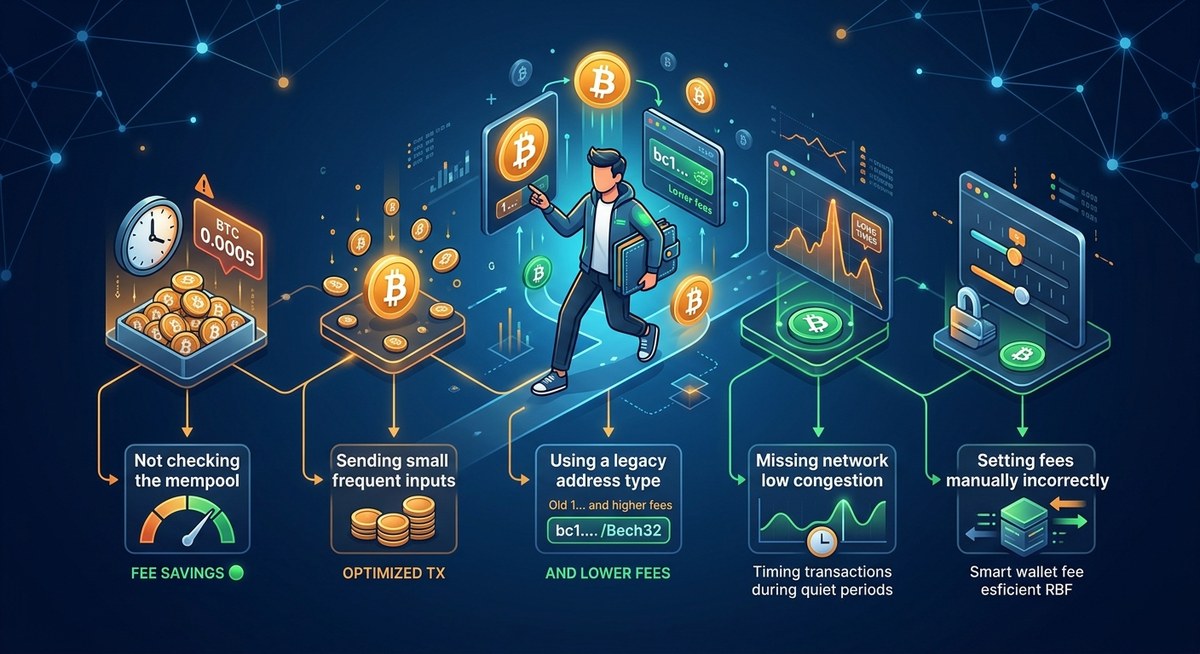
| Mistake | Explanation | Better Approach |
|---|---|---|
| Using static fee settings | Fixed fees may be too low during busy times, delaying confirmation. | Use dynamic fee estimation tools. |
| Overpaying during low network activity | Paying high fees when the network is congested can be avoided. | Wait for lower fee periods or use fee alerts. |
| Sending large transactions without optimization | Larger transactions need higher fees. | Break large payments into smaller parts or optimize transaction structure. |
| Ignoring confirmation time needs | Setting a very low fee for urgent transactions can lead to delays. | Match your fee with your confirmation time requirement. |
How to Minimize Your Bitcoin Transaction Costs
- Plan your transactions: Check network conditions before sending.
- Use fee estimation tools: Wallets like Electrum or BlueWallet automatically recommend suitable fees.
- Set manual fees when needed: For time-sensitive transactions, choose higher rates.
- Opt for batching: Combine multiple payments into a single transaction to save on fees.
- Leverage second-layer solutions: The Lightning Network offers instant, low-cost transactions for smaller payments.
- Avoid peak times: Transact during periods of low activity, often late at night or early morning UTC.
The Future of Bitcoin Fees
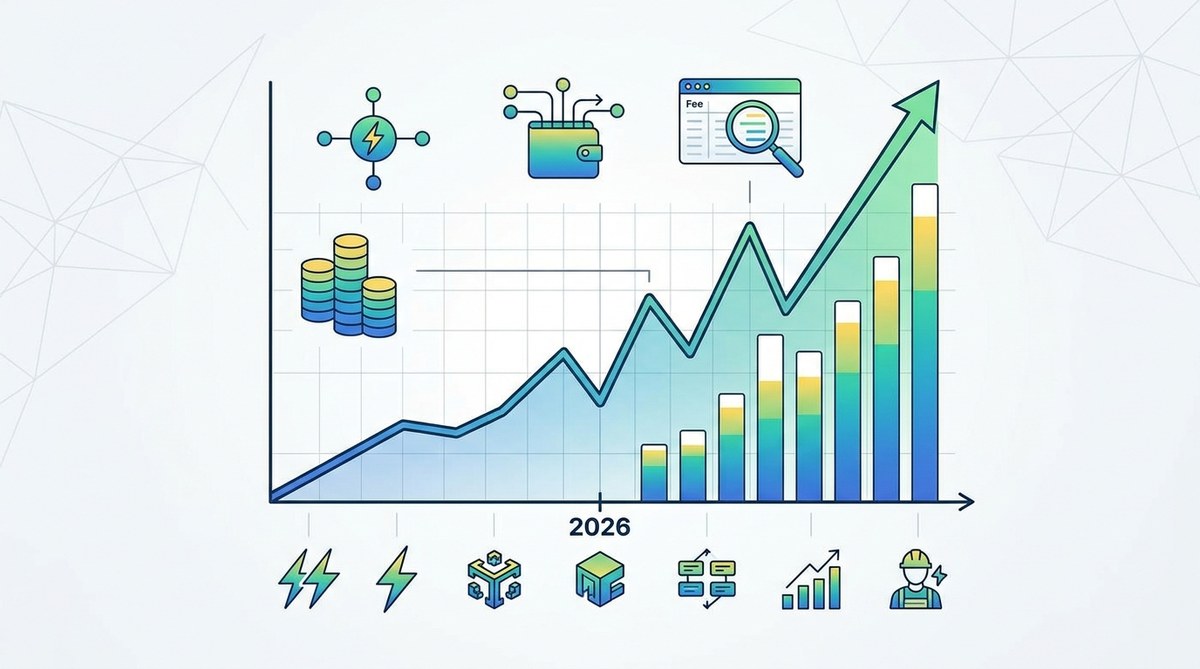
Bitcoin’s fee market is likely to evolve as adoption grows. Innovations like Schnorr signatures and Taproot aim to improve transaction efficiency. Additionally, ongoing developments in second-layer solutions, sidechains, and improved fee estimation algorithms will make managing costs easier. As the network matures, users can expect more tools to help optimize fees and confirm transactions faster.
“The key to cost-effective Bitcoin transactions is understanding the fee landscape and using smart tools. As technology advances, managing fees will become more intuitive.” — Blockchain analyst
Wrapping Up Your Bitcoin Fee Strategy
Getting a grip on Bitcoin transaction fees empowers you to make better decisions. By monitoring network conditions, selecting appropriate fee rates, and using smart techniques, you can enjoy faster confirmations without overspending. Remember, patience and planning are your best allies in the world of crypto. Keep an eye on market trends and stay informed with reliable fee estimation tools. With these strategies, your Bitcoin transactions will be smoother, faster, and more affordable.
Staying Ahead with Fee Awareness
Knowing how to navigate Bitcoin fees transforms the way you transact. Whether you’re paying friends, investing, or taking part in decentralized finance, understanding fee mechanics helps you avoid surprises. Keep experimenting with different fee settings, tools, and timings to find what works best for your needs. Happy transacting!
Ready to make smarter Bitcoin transactions? Use real-time fee estimates, plan ahead, and consider second-layer solutions to keep costs down. Your future self will thank you for it.








Leave a Reply