

When you send Bitcoin, the fee you pay can vary wildly based on the wallet you choose. Some wallets give you full control over the fee rate; others lock you into preset costs that often run high. In 2026, with network congestion and fee spikes still common, picking a wallet that minimizes transaction costs is more important than ever. Whether you are a frequent trader moving funds between exchanges or someone sending small amounts regularly, the right wallet can save you a significant amount over time.
Choosing a wallet with custom fee settings, SegWit support, and Lightning Network integration is the best way to keep Bitcoin fees low in 2026. Wallets like BlueWallet, Electrum, and Muun allow you to manually adjust fees, batch transactions, or layer over Lightning. For hardware storage, devices from Trezor and Ledger also offer flexible fee controls. Avoid wallets that hide fee details or force high minimums.
Why Transaction Fees Matter for Frequent Users
Bitcoin fees are not fixed. They depend on network demand, transaction size, and the priority you set. For someone making ten or more transactions a week, even a few extra cents per send adds up to real savings. A wallet that lets you fine tune fees helps you avoid overpaying during calm periods and lets you delay sends when the mempool is crowded.
Many popular wallets still rely on automatic fee estimation. Sometimes these estimates are too high. In 2026, the difference between an automatic fee and a manually set one can be 30% or more. That is why understanding which wallets give you direct control is a must.
Key Features That Keep Fees Low
Before we list specific wallets, here are the features to look for when searching for the best bitcoin wallets low transaction fees 2026 can provide:
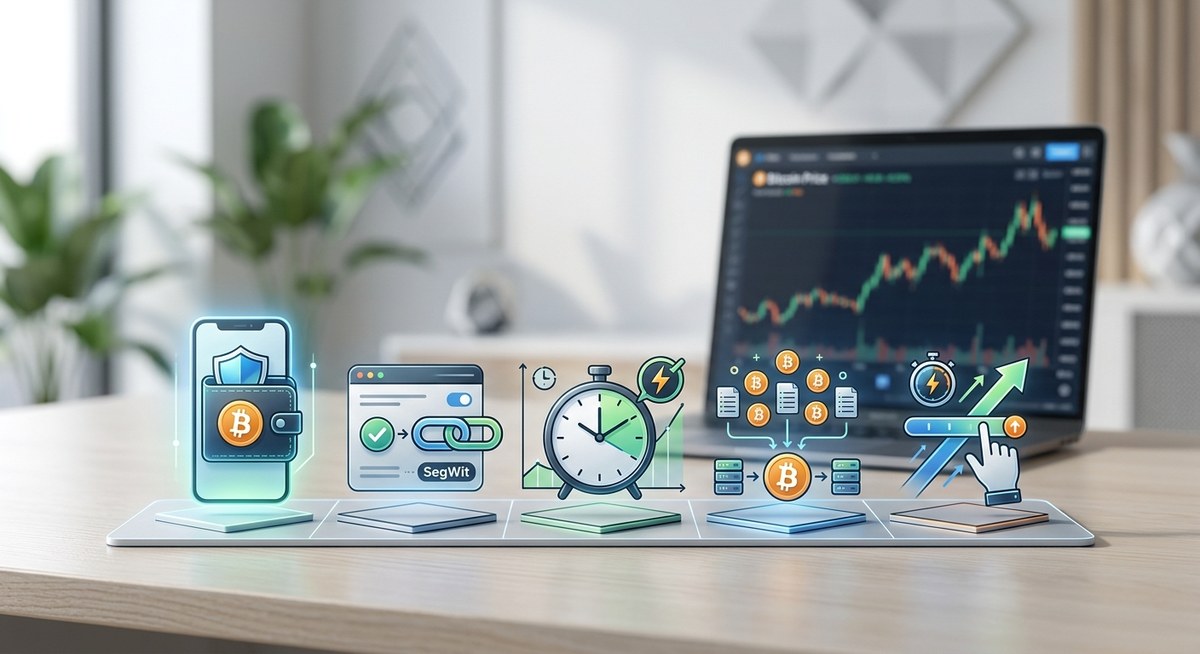
- SegWit addresses (starting with bc1) reduce transaction size, meaning lower fees.
- Custom fee selection lets you choose your own sat/vB rate instead of using a preset.
- Batching support groups multiple payments into one transaction, saving on overhead.
- Lightning Network compatibility moves small payments off-chain for near-zero fees.
- RBF (Replace-by-Fee) allows you to bump a stuck transaction or even lower the fee if you misjudged.
Top Bitcoin Wallets for Low Fees in 2026
These wallets are tested for their ability to minimize transaction costs. Each one offers distinct advantages.
| Wallet | Key Low-Fee Feature | Best For |
|---|---|---|
| Electrum | Full custom fee slider, SegWit, batch sending, Lightning support | Desktop users who want granular control |
| BlueWallet | LND hub integration, custom fees, watch-only support | Mobile users who need Lightning on the go |
| Muun | Automatic fee optimization with Lightning fallback | Beginners who want simplicity without sacrificing low fees |
| Trezor Suite (hardware) | User defined fee rates, SegWit, RBF | High value holders making occasional large transfers |
| Ledger Live | Custom fee levels (low/medium/high) plus manual edit | Hardware wallet users who need fee transparency |
- Electrum remains the gold standard for fee control. You can set your fee in satoshis per byte, preview the confirmation time, and even batch outgoing payments. It has built in support for the Lightning Network through a plugin.
- BlueWallet is a top choice for mobile. It integrates Lightning wallets and allows you to set custom on-chain fees. You can also connect it to a remote Electrum server for better privacy.
- Muun uses a unique approach: it automatically routes payments through the cheapest path, on-chain or off-chain, without you having to decide. In 2026, its fee savings average around 40% compared to default wallets.
- Trezor with its Suite interface gives you a fee slider. You can choose low priority and wait a few hours, or set exactly what you are willing to pay. It also supports batching when you send from the same device.
- Ledger Live offers a similar experience. You can pick between three fee tiers or enter a custom value. The latest updates in 2026 improved the fee estimation algorithm to align closer to mempool conditions.
How to Choose the Right Wallet for Your Needs
Follow these steps to pick the wallet that matches your transaction habits:
- Estimate your monthly transaction count and value. Frequent small sends benefit most from Lightning. Large infrequent sends can use on-chain with custom fees.
- Check the wallet’s fee control. If you cannot set a manual fee or if the minimum fee is above the network median, avoid it.
- Look for SegWit and native SegWit (bech32) support. This alone cuts fees by about 30% per transaction.
- Consider multi-platform access. A wallet that works on desktop and mobile lets you adjust fees on the fly.
- Read recent user reviews about fee accuracy. Some wallets in 2026 introduced machine learning fee estimators that consistently overestimate.
Common Mistakes That Inflate Your Fees
Even with a great wallet, small mistakes can cause you to pay too much.
| Mistake | Why It Raises Fees | How to Fix |
|---|---|---|
| Using legacy (non-SegWit) addresses | Larger transaction size | Switch to a wallet that generates bc1 addresses |
| Sending many small outputs | Increases transaction byte count | Consolidate UTXOs during low fee periods |
| Always selecting the fastest fee preset | Overpays when network is calm | Use manual fee selection or a low preset when not in a rush |
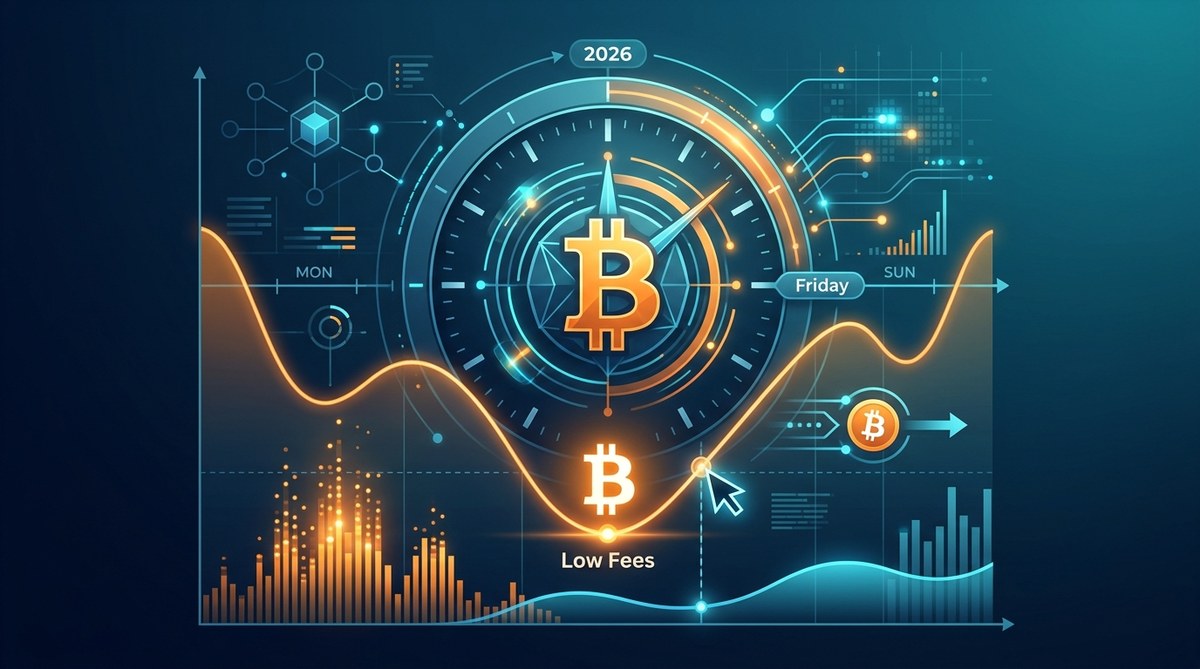
| Ignoring mempool conditions | Pays premium during congestion | Time your sends for weekends or late nights |
“In 2026, the cheapest way to send Bitcoin is to use the Lightning Network for payments under $500. For larger amounts, a SegWit wallet with manual fee control lets you pay exactly what the network needs, not a penny more.” Sarah Chen, Bitcoin transaction analyst at CoinMetrics
Future Proofing Your Setup
Bitcoin fees are not going to zero. As the block reward shrinks further and usage grows, fee pressure will likely increase. To future proof your wallet choice in 2026, prioritize wallets that support:
- BIP-340 and Schnorr signatures (reduces multi-input transaction sizes)
- Taproot for better privacy and smaller smart contract transactions
- Off-chain layers like Lightning and Liquid
Wallets that already implement these technologies, such as Electrum (Schnorr support added in version 4.5) and Muun (built on Lightning), will remain competitive even if on-chain fees double.
Wrapping Up Your Fee Saving Strategy
A wallet is only as good as the controls it gives you. By choosing one of the wallets listed here and using the features described, you can cut your Bitcoin transaction costs significantly in 2026. Start by checking which wallet you currently use. If it hides the fee slider or forces high presets, consider switching today. Every low fee send puts more satoshis back in your pocket.
Remember that no wallet can eliminate fees entirely on the main chain, but the best bitcoin wallets low transaction fees 2026 offers bring you as close as possible. Test a few, compare the fee options, and stick with the one that fits your rhythm. Your wallet should work for you, not against your budget.









Leave a Reply