

You have seen the claims. Send Bitcoin for free. Pay zero fees. It sounds perfect. But anyone who has tried to move Bitcoin knows that feeling of watching a transaction sit unconfirmed for hours. That is usually the cost of setting the fee too low. So can you really pay zero Bitcoin fees and still get your transaction through? The short answer is: almost never in a practical sense. But the longer answer involves some clever tricks, off-chain solutions, and timing strategies that can get your costs down to near zero in 2026.
Zero Bitcoin fees on the main blockchain are not realistically possible unless network traffic is dead and you accept multi-day waits. However, you can achieve near zero fees using layer-2 solutions like the Lightning Network, timing transactions during low congestion, and consolidating UTXOs. Understand the trade-offs: speed, security, and reliability. The zeros are not free; they have hidden costs.
What Does Zero Bitcoin Fees Actually Mean?
When someone promises zero Bitcoin fees, they usually mean one of two things. Either they refer to a specific wallet that lets you set a 0 sat/byte fee (an older practice that almost never works today), or they talk about methods like using the Lightning Network where base fees can be fractions of a cent. The first method is a myth for 2026. Block sizes are full. Miners select transactions by fee rate. A zero fee transaction sits in the mempool until a miner picks it up out of charity, which can take days or even weeks.
The second method, using second-layer scaling, is very real. But it requires you to understand the trade-offs. Let us break down both paths.
The Myth of 0 Sat/Byte Transactions
In the early years of Bitcoin, sending with a zero fee was possible. Blocks had extra space. Miners sometimes included these transactions for free. That time is long gone. In 2026, the mempool is always active. Even during the quietest weekend hours, the smallest fee to get into the next block is usually 1 to 3 sat/vB. Below that, your transaction can be dropped by nodes after two weeks.
If you see a service claiming zero fees on-chain, they are likely hiding the cost inside the spread or using a custodial service that absorbs the fee on your behalf. That is not zero. That is a bundled fee.
Layer-2 Networks: The Real Zero Fee Option
The Lightning Network operates differently. You open a channel with a funding transaction (which does have a fee), and then you can send thousands of payments inside that channel with near zero fees. Lightning invoices can have fees as low as 1 millisatoshi. That is functionally zero for individual coffee purchases or small transfers.
Many wallets in 2026 integrate Lightning automatically. You can send $5 worth of Bitcoin for less than a penny in total fees. That is the closest you will get to zero in practice.
How to Minimize Your On-Chain Fees Without Going to Zero
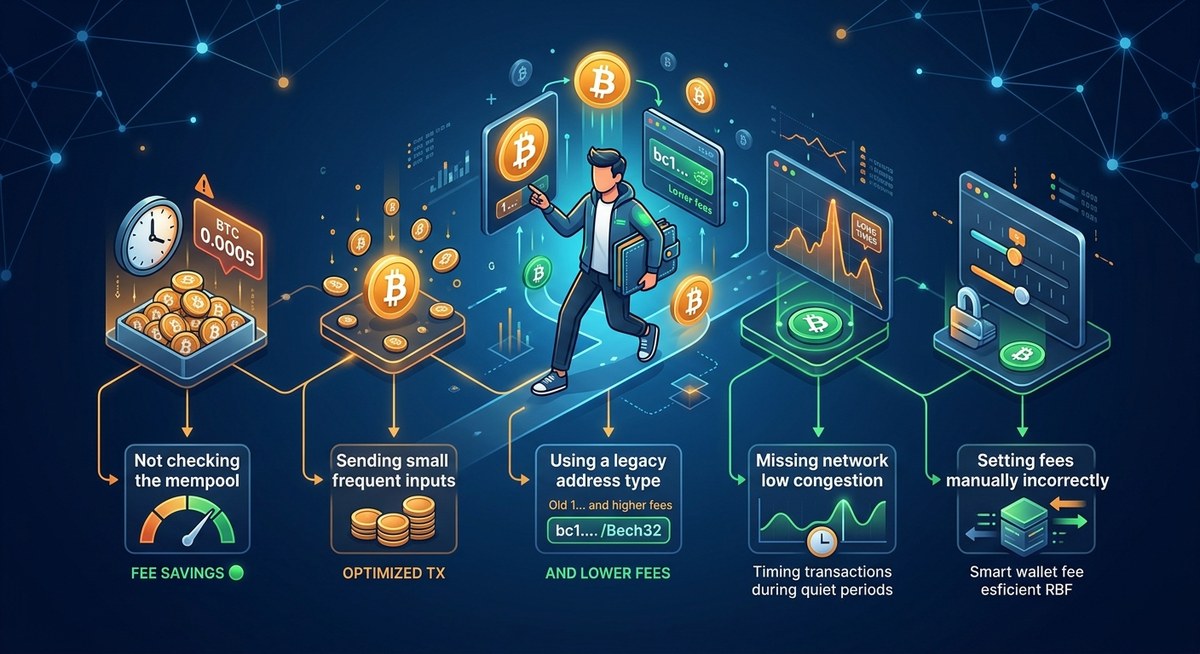
Even if true zero is a myth, you can drop your on-chain fees to very low levels. Follow these five steps to keep costs small:
- Use a SegWit address. Segregated Witness reduces transaction size by about 30%. Lower size means lower fees because fees are based on data weight.
- Consolidate your UTXOs during low fee times. If you have many small incoming transactions, combine them into one output when fees are low. That way, a single spend later costs less.
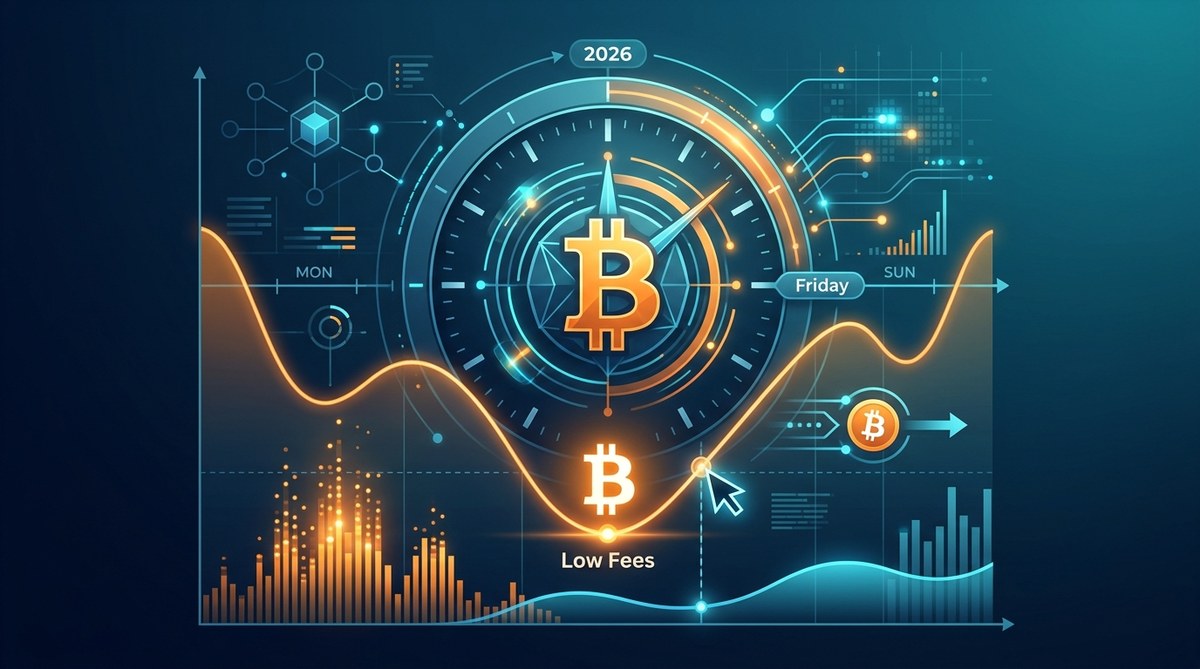
- Time your transactions for weekends or late nights. Typically, Saturday and Sunday mornings (US time) have lower mempool pressure. Check fee estimation tools before sending.
- Set a custom fee rate slightly above the mempool bottom. Do not use a wallet's automatic "economy" setting if it often leads to stuck transactions. Instead, use a manual fee of 2-3 sat/vB when the mempool is calm.
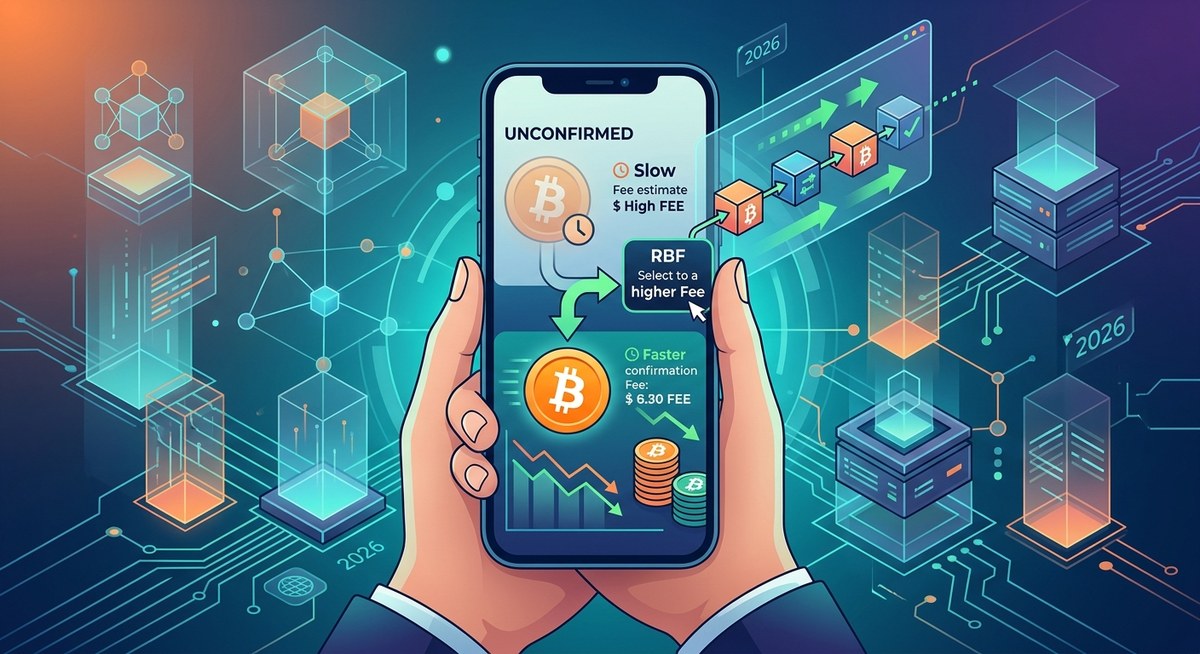
- Use Replace-by-Fee (RBF) as a backup. If you set a low fee and the transaction stalls, you can bump it up later. This lets you start low and only increase if needed.
Common Fee Traps That Cost You Money
Many users lose money because they do not understand how fees work. Here are the top mistakes:
- Assuming all wallets estimate fees correctly. Some wallets overestimate to ensure speed, charging you more than necessary.
- Sending many small transactions separately instead of batching. If you make five payments at once, batching them into one transaction cuts fees by 80%.
- Ignoring UTXO management. A single transaction spending dozens of small inputs can cost more than the value you are sending.
- Using non-SegWit addresses from old wallets. This increases data size and fees by up to 30%.
Fee Reduction Techniques vs. Common Mistakes: A Comparison
The table below shows techniques that actually lower fees alongside typical mistakes that raise them.
| Technique (Works) | Mistake (Avoid) |
|---|---|
| Use SegWit addresses for all new wallets | Use legacy addresses for compatibility with old services |
| Batch multiple payments into one transaction | Send each payment individually from separate UTXOs |
| Time sends during low mempool periods (weekends) | Send during high traffic events like market crashes |
| Use RBF to start low and bump if stuck | Set a fee once and never check on the transaction |
| Consolidate UTXOs at low fee times | Leave hundreds of small dust UTXOs unspent |
Expert advice from a longtime on-chain analyst: "If you think you are sending a zero fee transaction, you are either using a custodial service that hides the fee, or you are gambling that a miner will be generous. Neither is reliable. Aim for 1-3 sat/vB during low traffic and use Lightning for small amounts. That strategy saves you 95% compared to sending with default high fees during peak hours."
When Zero Fees Make Sense (and When They Do Not)
There are very specific scenarios where paying zero fees is acceptable.
One is when you are sending Bitcoin to yourself between wallets and you do not care about confirmation time. If you move funds to a cold storage wallet and plan to hold for years, a zero fee transaction can eventually confirm. But you risk the transaction being dropped by nodes, which means you need to keep the wallet online and able to rebroadcast.
Another scenario is using a custodial exchange that offers zero fee withdrawals as a promotion. In 2026, some exchanges advertise zero fee Bitcoin withdrawals. Read the fine print. They often recover the cost through wider bid-ask spreads or by delaying the withdrawal. That is not truly free.
For everyday spending, Lightning Network fees are as close to zero as you can get. Opening a channel costs a few cents, but then you can send payments for fractions of a cent. If you want to pay zero fees for daily coffee, use Lightning.
The Hidden Costs of Chasing Zero
Chasing zero fees on-chain can lead to hidden costs that are worse than paying a small fee.
Your transaction can get stuck for days. You might miss a time-sensitive payment. Some merchants automatically cancel orders if payment is not confirmed within an hour. You then have to deal with refunds and customer support. That headache is worth more than the dollar you saved.
Also, if your zero fee transaction is dropped by the network, your Bitcoin returns to your wallet, but only after the transaction expires from the mempool. That can take up to two weeks. During that time, the funds are essentially frozen. You cannot spend them elsewhere.
A Practical Strategy for 2026
Here is a simple plan anyone can follow:
- Keep a small Lightning wallet for daily spending. Load it with $50 to $100. Send payments with near zero fees.
- Keep a main Bitcoin wallet for savings. Use it only for large transfers or long-term holds.
- When you need to move larger amounts on-chain, check a fee estimator and wait for low traffic. Pay 2-5 sat/vB and get confirmation within an hour.
- Avoid the temptation of zero. Paying a nickel is fine. Worrying about a stuck transaction for a week is not.
If you want to master this further, check out this guide on how to reduce bitcoin transaction fees without compromising speed in 2026. It covers timing and batching in more detail.
You can also learn about how the lightning network can drastically cut bitcoin fees if you plan to send many small payments.
Your Best Bet Is Near Zero, Not Zero
The truth about zero Bitcoin fees is that they are a marketing gimmick on the main chain. For on-chain transactions, you will always need to offer some incentive to miners. But near zero is realistic. With proper wallet setup, good timing, and layer-2 tools, you can reduce your fee burden to the point where it becomes noise in your budget.
Stop chasing the myth of completely free Bitcoin transfers. Instead, focus on paying low fees intelligently. Use Lightning for small transactions, batch your larger ones, and keep an eye on the mempool. You will save money without the anxiety of watching an unconfirmed transaction for days.
In 2026, the smartest money in Bitcoin is not the money that avoids fees. It is the money that knows exactly how much to pay and uses the right tool for each job. Build that skill, and your Bitcoin will move smoothly, cheaply, and reliably.








Leave a Reply