

You hit send on a Bitcoin transaction and then you see it. The fee is way higher than you expected. Maybe it was $5 last week, and today it is $50. Or maybe your transaction is stuck, sitting in the mempool for hours with no confirmations.
This is the reality of a Bitcoin fee spike. But the impact goes far beyond just a higher number on your screen. When fees jump, the entire network shifts. Merchants change their behavior. Miners prioritize different transactions. And small users can get priced out of the network entirely. Let’s look at what really happens when the fee market heats up.
Bitcoin fee spikes create a domino effect. Transactions get delayed or stuck, small payments become uneconomical, and merchants may stop accepting low-value BTC payments. The mempool swells, miners earn more temporarily, and users rush to alternatives like the Lightning Network or Bitcoin Cash. Understanding these real-world impacts helps you plan better and avoid costly mistakes during congestion.
What Actually Triggers a Fee Spike?
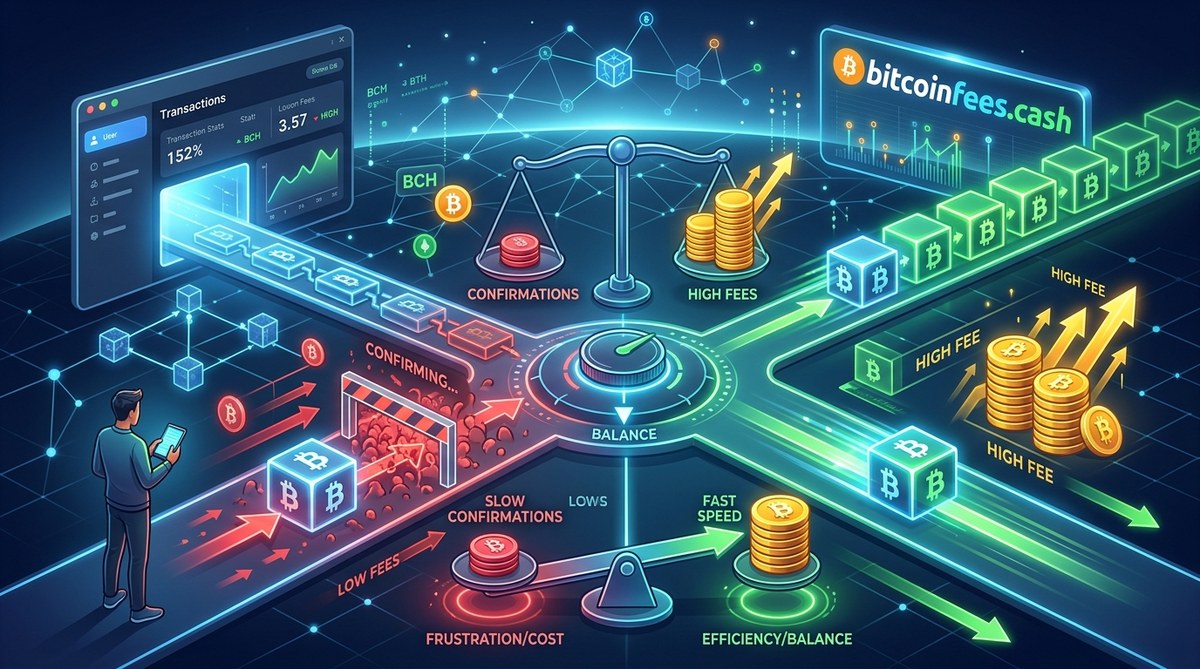
Fee spikes happen when demand for block space exceeds supply. Bitcoin blocks have a limited size. When lots of people try to send transactions at the same time, they bid against each other. Miners pick the transactions that pay the highest fees per byte.
Common triggers include:
- Major price movements. When Bitcoin’s price jumps or drops sharply, trading volume spikes. Exchanges rush to move funds. This fills the mempool fast.
- Network events. Halvings, protocol upgrades, or large-scale liquidations can cause sudden congestion.
- Speculative attacks. Someone floods the network with low-fee transactions to clog it up, forcing others to pay more.
- Weekend bottlenecks. Exchanges batch withdrawals on Friday evenings, causing a fee spike that lasts through Sunday.
In 2026, we still see these patterns regularly. The difference now is that more users are aware of them, but the network itself hasn’t changed its capacity limits.
The Mempool Gets Clogged
When fees spike, the mempool grows. The mempool is the waiting room for unconfirmed transactions. Miners only confirm about 2,500 to 3,000 transactions per block. If 50,000 transactions are waiting, most of them will sit there for hours or days.
This creates a few problems:
- Stuck transactions. Your transfer might not confirm for 12 hours or longer. If you set a fee too low, it might never confirm unless you use Replace-by-Fee (RBF).
- Uncertainty for merchants. A store that accepts Bitcoin cannot confirm your payment until it gets at least one block confirmation. During a spike, that wait time balloons.
- Higher fees for everyone. When people see the mempool growing, they overpay to skip the line. This drives fees even higher in a panic cycle.
If you want to understand how the mempool size directly affects your costs, read more about how mempool congestion affects your bitcoin transaction costs.
Small Transactions Become Uneconomical
Here is a hard truth. During a fee spike, sending $10 worth of Bitcoin can cost $15 in fees. That makes no sense. Small transactions get priced out of the network entirely.
This impacts:
- Everyday payments. Buying a coffee, tipping a creator, or paying a friend back becomes impractical.
- Microtransactions. Any use case that depends on sending small amounts of value is dead during a spike.
- Wallet dust. If you have many small UTXOs (unspent transaction outputs), consolidating them during a spike is brutally expensive.
Many users switch to why bitcoin cash offers lower fees for everyday transactions during these periods. Others rely on the Lightning Network for smaller payments.
Merchants and Businesses Feel the Pain
Businesses that accept Bitcoin face a tough choice during fee spikes.
| Scenario | Impact | Common Response |
|---|---|---|
| Small retail purchase | Fee higher than item value | Stop accepting BTC until fees drop |
| Online service payment | Delayed confirmation upsets customers | Switch to Lightning or stablecoins |
| Exchange withdrawal | Users complain about high withdrawal fees | Batch withdrawals or increase minimums |
| Cross-border remittance | Costs eat into the amount sent | Use alternative networks like Bitcoin Cash |
Some merchants simply pause Bitcoin acceptance during spikes. Others raise their minimum transaction amounts. Neither option is great for adoption.
If you run a business or manage payments for one, learning how to optimize your bitcoin transaction fees for faster confirmations can help you keep operations running smoothly.
Miners Get a Temporary Windfall
When fees spike, miners earn more per block. The block subsidy (newly minted Bitcoin) stays the same, but the transaction fees inside each block multiply.
Here is what happens:
- Revenue jumps. A block that normally earns 0.5 BTC in fees might earn 5 BTC during a spike.
- Hashrate stays steady. Miners don’t suddenly add more machines. But their profitability improves.
- Older miners return. During prolonged high-fee periods, older generation ASICs become profitable again. Some miners power them back on.
This sounds good for miners, but it also creates a problem. High fees signal that the network is congested. If fees stay high for too long, users leave for other networks. That reduces long-term demand for block space.
Users Rush to Layer 2 Solutions
During fee spikes, the Lightning Network gets a lot more traffic. Lightning allows users to open a payment channel with a single on-chain transaction, then send unlimited off-chain payments for near-zero fees.
But there is a catch. Opening and closing Lightning channels still requires on-chain transactions. So if you want to get into Lightning during a spike, you still have to pay the high fee once.
For users who plan ahead, Lightning is a lifesaver. For everyone else, it feels like a locked door.
Another option is to simply wait. Fee spikes usually last a few days. How to time your bitcoin transactions for the lowest fees in 2026 can help you avoid the worst of it.
The Ripple Effect on the Broader Crypto Market
Bitcoin fee spikes don’t happen in a vacuum. They affect the entire crypto ecosystem.
- Altcoins see increased usage. When Bitcoin fees spike, users look for alternatives. Networks like Bitcoin Cash, Litecoin, and others see a bump in transaction volume.
- Exchange operations slow down. Exchanges batch withdrawals to save on fees. This delays user payouts.
- DeFi protocols adjust. Some DeFi platforms that rely on Bitcoin peg mechanisms see delays in settlement.
This is not just a Bitcoin problem. It is a network capacity problem. The base layer of Bitcoin was never designed for millions of daily transactions. It was designed for settlement. Spikes are a feature of that design, not a bug.
“The fee market is the most honest signal of demand for block space. When it spikes, it tells you that the network is being used beyond its comfortable capacity.” — A blockchain analyst’s observation from the 2025 fee spike event.
What You Can Do When Fees Spike
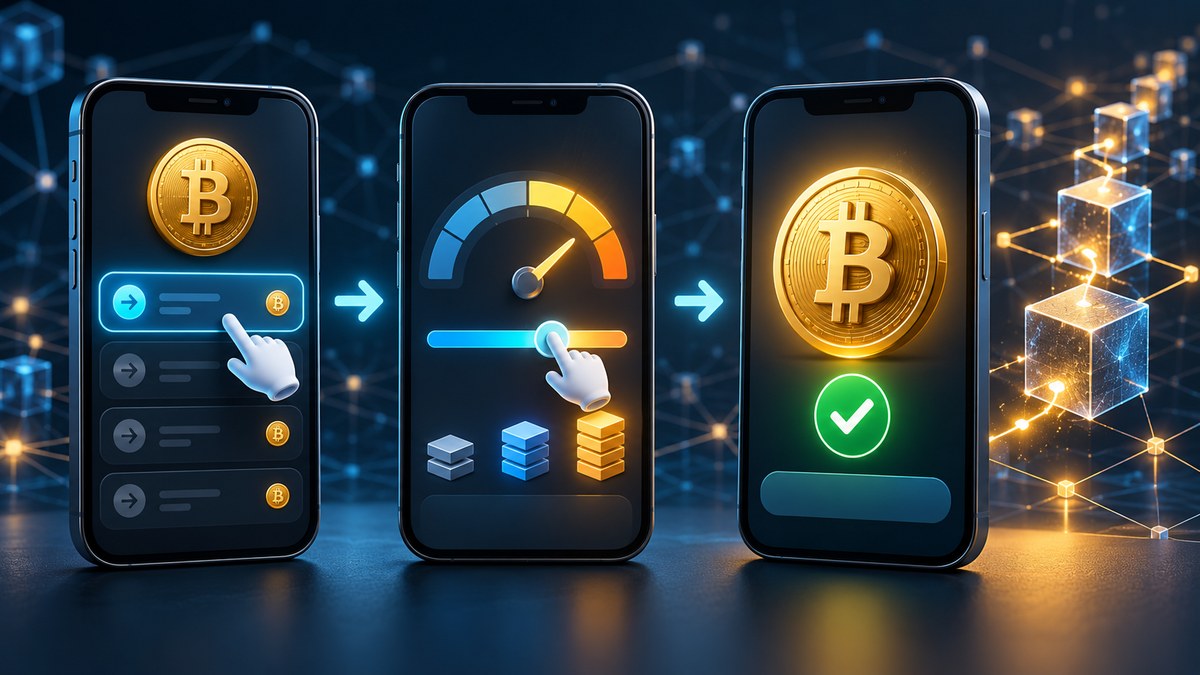
You don’t have to be a victim of high fees. Here is a practical process to follow:
- Check the mempool first. Before sending any transaction, look at the current mempool size and median fee rate. If it is high, wait if you can.
- Use a fee estimator. Wallets often suggest a fee. But they can be wrong. Use a dedicated estimator to see what fee rate gets you into the next block.
- Enable Replace-by-Fee (RBF) . This lets you bump the fee later if your transaction gets stuck. It is a safety net.
- Consider batching. If you need to send multiple payments, combine them into one transaction. You pay one fee instead of many.
- Switch networks for small amounts. For payments under $50, use Lightning or Bitcoin Cash. Save the base layer for larger settlements.
For a deeper breakdown of these steps, check out how to reduce bitcoin transaction fees without compromising speed in 2026.
Common Mistakes People Make During Fee Spikes
When fees spike, panic leads to bad decisions. Here are the most common mistakes and how to avoid them.
- Overpaying by a wide margin. Some people set fees at 500 sat/vB when 200 would have been enough. They waste money.
- Not using RBF. If you send a low fee and it gets stuck, you are stuck too. Always enable RBF.
- Sending from an exchange during a spike. Exchanges often use their own wallets and batch payouts. You might pay a high fee and still wait hours.
- Ignoring the weekend. Fee spikes often start Friday afternoon and last until Sunday night. Monday morning is usually cheaper.
If you want a full list of pitfalls, read about 5 mistakes that inflate your bitcoin fees and how to avoid them.
Tools to Monitor Fee Spikes
Staying ahead of fee spikes means watching the network. These tools help you decide when to send.
- Mempool.space. Shows real-time mempool size, fee rates, and block building.
- BitcoinFeeEstimator. Predicts the fee you need for a target confirmation time.
- Your wallet’s fee calculator. Some wallets like Electrum and BlueWallet have built-in estimators.
Using these tools is part of how to read the bitcoin fee market like a pro in 2026.
Planning for the Next Spike
Fee spikes are not going away. They are a natural part of Bitcoin’s fee market. But you can prepare.
- Keep a Lightning channel open. Fund it during low-fee periods so you can transact cheaply during spikes.
- Hold some Bitcoin Cash. If you need to send value during a spike, BCH offers predictable low fees.
- Set up fee alerts. Some services notify you when fees cross a threshold.
The best strategy is to stay informed and stay flexible. Don’t lock yourself into one method of transacting.
Staying Sane in a Volatile Fee Market
Bitcoin fee spikes feel frustrating, especially when you just want to move your money. But they are a signal of demand. They tell you when the network is busy and when it is quiet. Learning to read that signal is the difference between paying $50 and paying $2 for the same transaction.
Treat fee spikes like traffic jams. You wouldn’t drive into downtown Manhattan at 5 PM on a Friday. You would wait, take a different route, or use a different mode of transport. The same logic applies here.
If you want to go deeper into managing your costs, the guide on mastering bitcoin network fees to save money on transactions is a great next step.
What a Fee Spike Teaches Us About Bitcoin’s Future
Every fee spike is a stress test. It reveals who is using the network, how they are using it, and where the bottlenecks are. The more spikes we see, the more the ecosystem adapts.
Layer 2 solutions improve. Wallets get smarter about fee estimation. Users learn to batch and use RBF. Merchants adopt Lightning. These adaptations make the network more resilient over time.
But the base layer will always have limited space. That is by design. Decentralization requires trade-offs. Block space is one of them. The fee market is the mechanism that allocates that scarce resource.
So next time you see a fee spike, don’t just get annoyed. Look at it. Ask yourself what it tells you about the state of the network. Then decide the best way to move your value.
You have options. Use them wisely.








Leave a Reply