
Getting your Bitcoin transactions to go through without breaking the bank can be a challenge in 2026. As the network continues to grow, so do the transaction fees, especially during periods of high demand. But you don’t have to accept high costs as inevitable. With the right strategies, you can lower your Bitcoin transaction fees while still ensuring your transfers confirm in a reasonable time. This guide walks through practical methods to help you save money on fees without sacrificing speed or security.
Reducing Bitcoin transaction fees in 2026 requires understanding network conditions, timing transactions wisely, and choosing the right fee settings. Using tools and techniques to optimize your transactions can save you money without delays, making your crypto activity more cost-effective and efficient.
Understanding the Factors Behind Bitcoin Fees in 2026
Bitcoin transaction fees fluctuate based on network activity, transaction size, and how quickly you want your transfer confirmed. During busy periods, fees tend to spike as users compete for space in each block. Conversely, during quieter times, fees drop, making it easier to send Bitcoin at a lower cost.
Fees are primarily determined by the size of your transaction in bytes and the current demand for block space. Miners prioritize transactions offering higher fees, meaning if you want faster confirmation, you might need to pay more. Understanding these dynamics helps you time your transactions better and choose optimal fee levels.
Practical Strategies to Cut Bitcoin Transaction Costs
Here are some effective ways to reduce Bitcoin transaction fees in 2026 without sacrificing speed.
1. Time Your Transactions During Off-Peak Hours
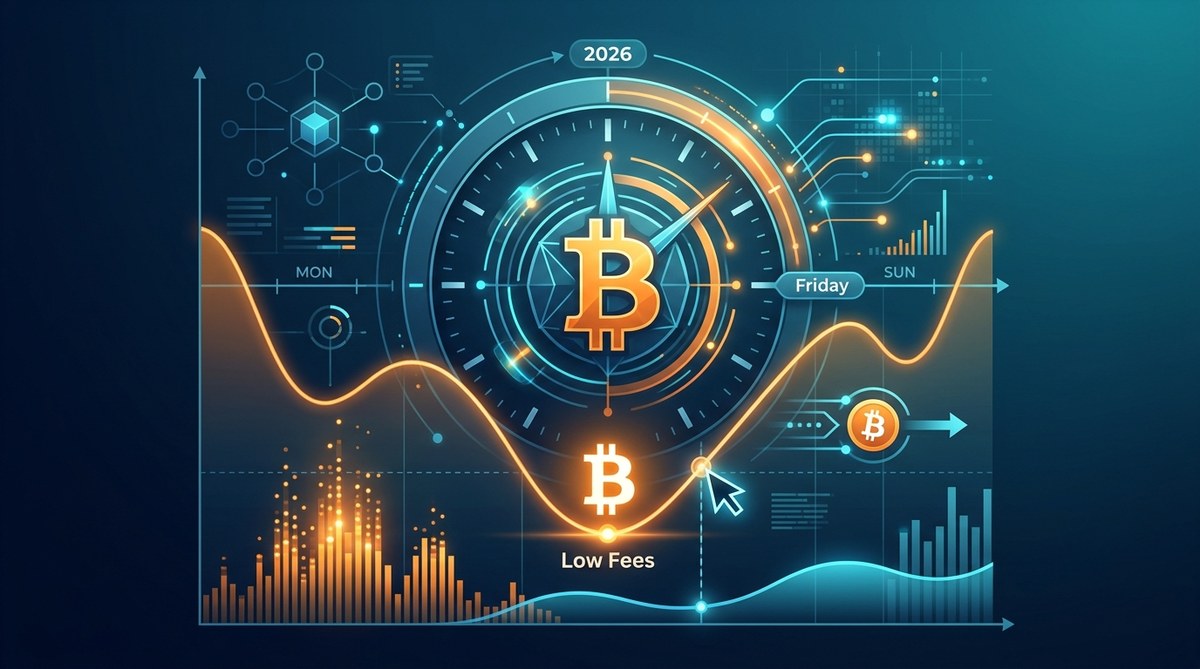
Bitcoin network activity varies throughout the day. Typically, weekends, nights, and early mornings see lower traffic. By monitoring network congestion, you can plan your transactions during these periods.
Use tools like bitcoinfees.cash to check current fee rates and identify times when fees are lower. Patience here pays off, as waiting a few hours can save you a significant amount.
2. Adjust Your Fee Settings Based on Priority
Most wallets allow you to customize transaction fees. If your transfer isn’t urgent, set a lower fee. Conversely, if speed is critical, opt for a higher fee.
Here’s a simple process:
1. Check the recommended fee for your desired confirmation time.
2. Select a lower fee if your transaction can wait.
3. Confirm the transaction once the fee aligns with current network conditions.
3. Use Wallets with Fee Optimization Features
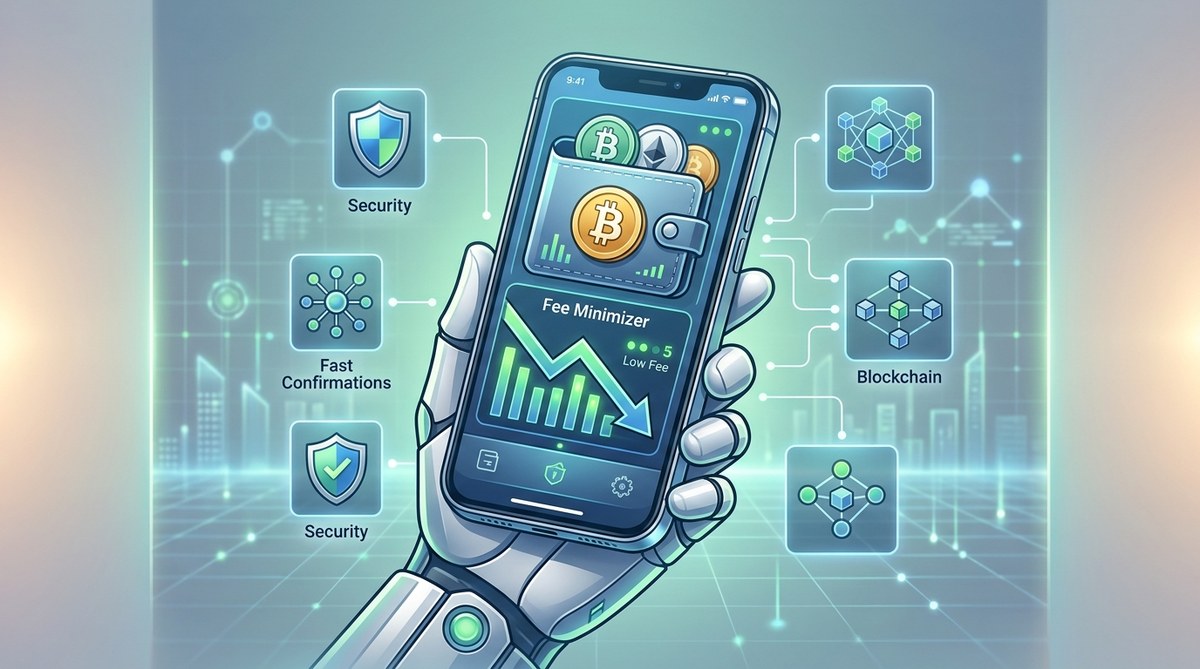
Many modern wallets offer automated fee suggestions based on real-time network data. Some also allow you to set custom fees or choose from predefined options like “slow,” “medium,” or “fast.”
For example, wallets like Electrum or BlueWallet provide advanced fee controls, helping you avoid overpaying. Using these tools simplifies fee management and increases your chances of paying just enough for timely confirmation.
4. Take Advantage of Transaction Accelerators
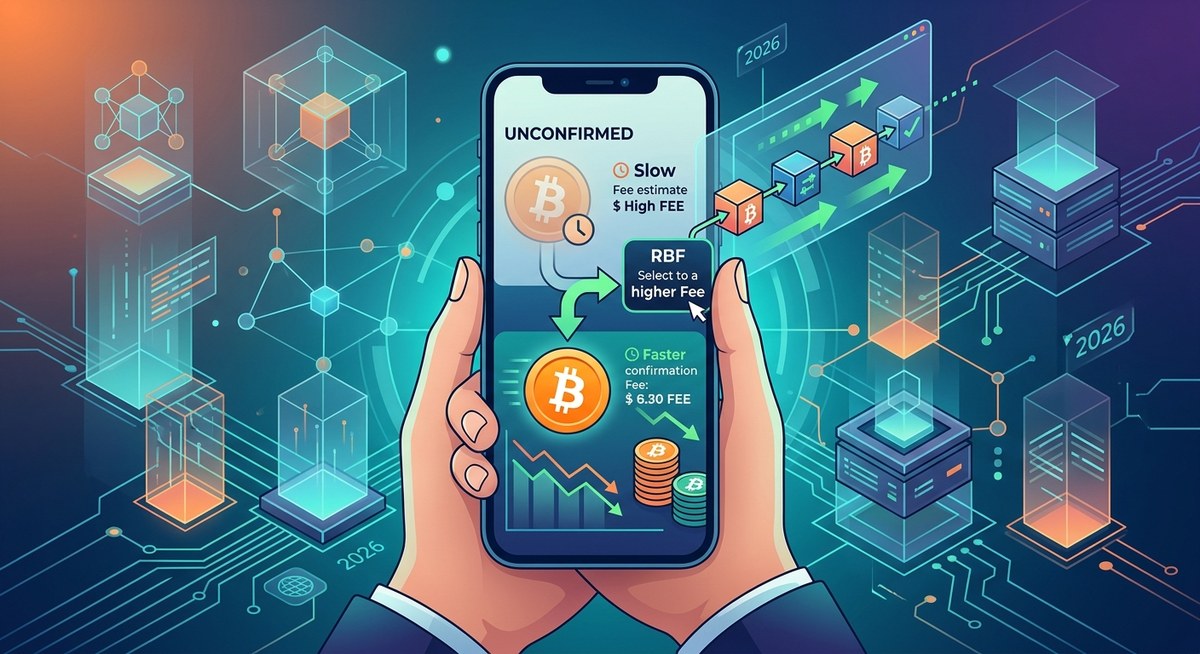
If your transaction is stuck due to low fees, consider a transaction accelerator service. These services work with miners to prioritize your pending transaction. Some are free, while others charge a small fee.
Keep in mind that accelerators are most useful for transactions that are already stuck. For future transactions, setting appropriate fees from the start is a better approach.
5. Use SegWit Addresses and Optimize Transaction Size
SegWit (Segregated Witness) addresses reduce transaction size, leading to lower fees. When sending Bitcoin, always use SegWit-compatible wallets and addresses if possible.
Also, keep transactions small by consolidating UTXOs (unspent transaction outputs) before sending larger amounts. Avoid creating unnecessarily large transactions, which cost more in fees.
6. Consider Layer 2 Solutions and Alternative Coins
Layer 2 solutions like the Lightning Network enable near-instant, low-cost transactions. They are especially useful for small or frequent transfers.
Another option is to use cryptocurrencies like Bitcoin Cash for everyday transactions, as they typically offer lower fees. You can convert Bitcoin to Bitcoin Cash temporarily if your priority is spending without high costs.
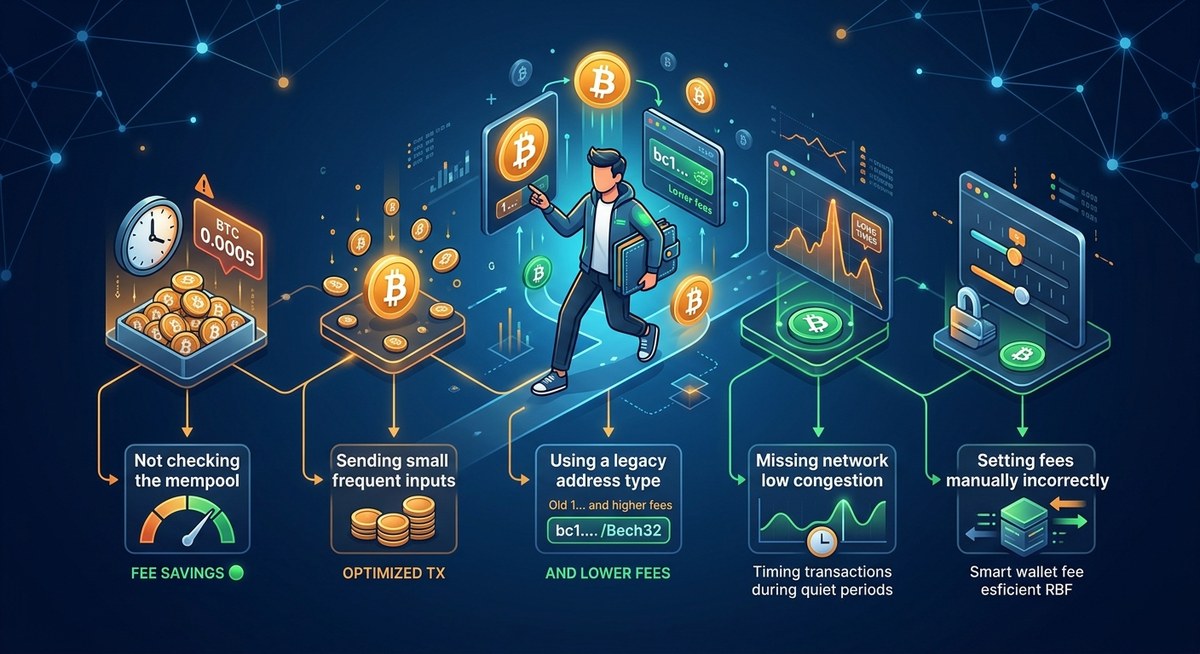
Comparing Techniques and Common Mistakes
| Technique | Best For | Common Mistakes |
|---|---|---|
| Timing transactions | Saving on fees during low activity | Sending during peak hours |
| Custom fee settings | Balancing speed and cost | Overpaying for quick confirmation |
| Using fee optimization wallets | Simplifying fee management | Relying solely on default settings |
| Transaction accelerators | Stuck transactions | Not monitoring network status beforehand |
| Using SegWit addresses | Lower transaction size | Sending non-SegWit transactions |
| Layer 2 solutions | Small, frequent payments | Ignoring potential security trade-offs |
Expert Advice on Managing Bitcoin Fees
“Being strategic about when and how you send Bitcoin can save you hundreds annually. Always check current network conditions and use wallets with fee prediction features to avoid unnecessary costs.” — Crypto expert Jane Doe
Common Mistakes That Drive Up Costs
- Sending transactions during high congestion without adjusting fees.
- Failing to use SegWit addresses, increasing transaction size.
- Ignoring wallet options for fee customization.
- Rushing transactions without checking current fee rates.
- Overloading transactions with UTXOs, increasing size and cost.
Final Tips for Smarter Bitcoin Transactions in 2026
- Keep an eye on real-time fee estimates through reliable tools.
- Plan your transactions for times with lower network activity.
- Use wallets that offer automatic fee suggestions.
- Consider Layer 2 options for small or frequent transfers.
- Regularly audit your UTXO management to keep transactions lean.
Closing Thoughts
Lowering your Bitcoin transaction fees in 2026 is about being mindful of network conditions and using the right tools. With patience and smart planning, you can significantly reduce costs while maintaining reliable confirmation times. Applying these strategies ensures your crypto activity stays cost-effective and efficient, leaving more funds available for your investments or purchases. Keep experimenting with timing and settings to find what works best for your habits and needs.
Remember, managing fees is an ongoing process. Staying informed about network trends and wallet features will help you keep costs down as the ecosystem evolves. Happy transacting!






Leave a Reply