

If you moved some Bitcoin last month and winced at the $10, $20, or even $50 fee, you are not alone. That sting has become part of the daily crypto experience. With each price rally or NFT hype wave, the mempool fills up and fees climb. But here is the question that keeps coming up: are high Bitcoin fees the new normal, or is this just a rough patch that will pass? In this 2026 outlook, we will look at the forces behind the fees, what the data says about the months ahead, and how you can protect your wallet from getting drained by transaction costs.
Bitcoin fees in 2026 have settled at a higher floor than in previous cycles due to increased demand, block space constraints, and the rise of ordinal inscriptions. However, spikes are still cyclical and manageable. The permanent high fee narrative is partly true for base layer mainnet, but layer 2 solutions like Lightning, careful timing, and fee estimation tools can dramatically reduce costs. Investors who adapt will stay ahead.
The State of Bitcoin Fees in 2026
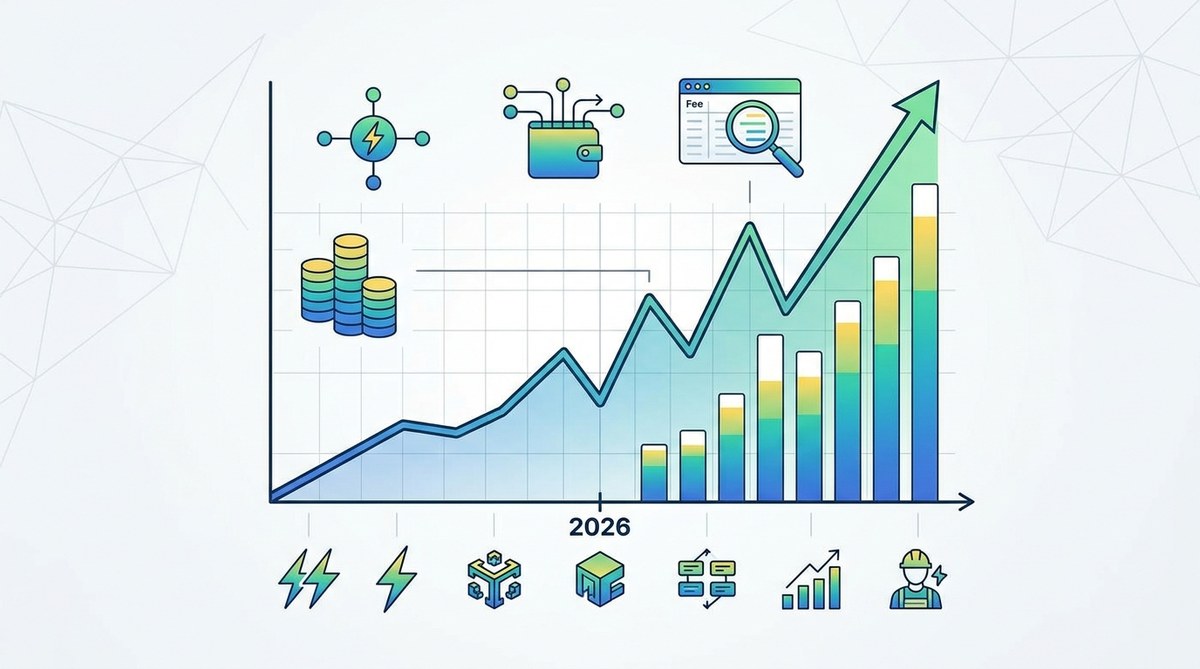
At the start of 2026, average Bitcoin transaction fees have been hovering between $3 and $8 during calm periods, jumping to $20 or more during congestion events. Compare that to 2020, when sending Bitcoin often cost under a dollar. What changed?
The biggest shift is the growing number of nonpayment uses for Bitcoin. Ordinals and BRC-20 tokens, which inscribe data onto satoshis, have created a new source of demand for block space. Every inscription, whether it is a piece of art or a text string, competes with regular financial transfers. This competition pushes fees higher across the board.
Additionally, the block subsidy halving in 2024 reduced miner rewards from 6.25 BTC to 3.125 BTC per block. Miners now rely more on transaction fees to stay profitable. That economic pressure means they prioritize high fee transactions, leaving low fee senders waiting longer. So the base layer has become more expensive, and that trend is unlikely to reverse.
Why Fees Spike (and What Changed)
Fees do not go up overnight for no reason. There is usually a trigger. Common causes include:
- A sudden price rally that brings millions of new users and traders on chain.
- Launch of a popular Ordinals collection that floods the mempool.
- Global events like economic uncertainty causing a rush to move funds.
- Exchange outflows during market volatility.
In 2026, we have also seen a structural change: the mempool clears slower because blocks are full more often. Even during “quiet” weeks, the base fee floor stays around 5 sat/vB, which translates to roughly $2.50 for a standard transaction. That is a new normal. The days of 1 sat/vB transactions confirming within an hour are gone for good.
What Does the Mempool Tell Us?
The mempool size gives a direct read on fee pressure. When it exceeds 300 MB, fees climb fast. In early 2026, it has stayed above 200 MB most days. That is partly because the block size remains capped at 4 MB (legacy limit of 1 MB with SegWit discount). The network simply cannot handle the volume unless more users move to layer 2.
Will High Fees Stick Around?
Let us break this into two parts: the base layer and the broader ecosystem.
For on chain Bitcoin transactions (mainnet), yes, high fees are likely here to stay. The combination of block space scarcity, miner reliance on fees, and demand from inscriptions creates a permanent upward pressure on the fee floor. That does not mean every transaction will cost $50. It means the low end is higher than before.
But for everyday spending, the answer is different. Layer 2 solutions, especially the Lightning Network, offer near zero fee transfers. More exchanges and wallets support Lightning in 2026 than ever before. The real question is whether users will adopt them. So far adoption is growing but still small compared to on chain volume.
As one blockchain analyst put it: “The mainnet is becoming a settlement layer. Expecting sub dollar fees there is like expecting first class seats to cost the same as economy. The cheap seats are now on layer 2.”
If you hold Bitcoin for long term storage and occasional large moves, you will feel the fees. If you use it to buy coffee or send small amounts, you need to use Lightning or accept costly transactions.
How to Navigate the Fee Landscape
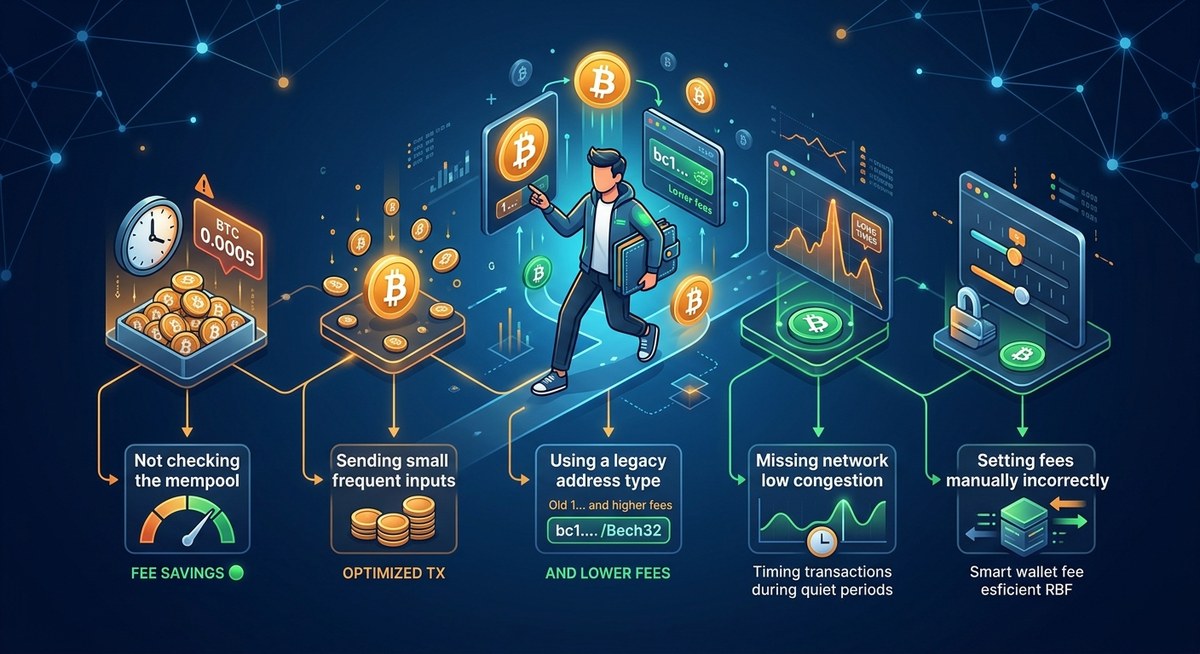
You do not have to be a victim of high fees. Here are practical steps you can take right now.
1. Use a Good Fee Estimator
Most wallets have a fee estimator, but not all are accurate. Look for wallets that show current mempool data and recommended fees per sat/vB. You can also use third party tools. The key is to avoid overpaying.
2. Time Your Transactions
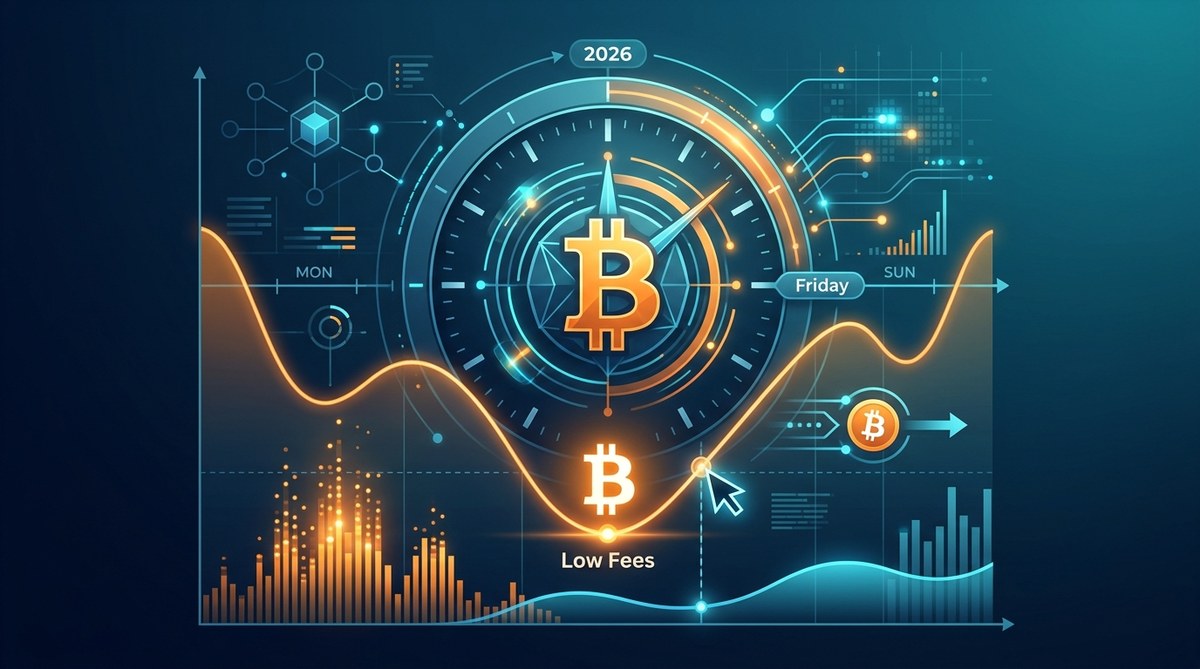
Fees follow weekly patterns. They tend to be lowest on weekends (Saturday and Sunday mornings) and highest during weekday business hours in North America. If your transfer is not urgent, wait for a low fee window.
3. Try Replace by Fee (RBF)
RBF lets you bump the fee on an unconfirmed transaction if the network is busier than expected. You start with a lower fee and increase it only if needed. This can save you money when the mempool clears faster than anticipated.
4. Batch Your Transfers
If you run a business or send multiple payments, combine them into one transaction. Batching saves on fee overhead because you pay one fee for many outputs. For example, sending 10 payments individually might cost $50 total, but batched it could be $8.
5. Use the Lightning Network
For amounts under $200, Lightning is the way to go. You open a channel once (paying an on chain fee) and then send payments for pennies. Some wallets even automate channel management.
A Practical Checklist to Keep Fees Low
- Check the mempool before sending. If it is over 300 MB, wait.
- Set your fee to the 50th percentile, not the 90th.
- Use a wallet that supports RBF.
- Avoid sending on chain during major market moves.
- For recurring small payments, use Lightning.
Table: Fee Scenarios and Best Responses
| Scenario | Typical Fee Range | Best Strategy |
|---|---|---|
| Small transfer under $50 | $5 to $12 | Use Lightning Network |
| Medium transfer $500 | $8 to $20 | Wait for low mempool or use RBF |
| Large transfer over $10,000 | $15 to $40 | Batch with other outputs if possible |
| Urgent transfer in a rush | $20 to $60 | Pay 90th percentile fee; confirm in 1 block |
| Non urgent weekend send | $3 to $6 | Set low fee and wait up to 24 hours |
The Role of Alternatives
If high fees frustrate you, consider Bitcoin Cash. It keeps block sizes larger (32 MB) and fees stay under a cent. While it has less adoption, using Bitcoin Cash for daily payments can be a cost effective alternative. Read more about why Bitcoin Cash offers lower fees for everyday transactions. Also, check out how to optimize your bitcoin transaction fees for faster confirmations to fine tune your approach.
What the Experts Say
We spoke with three crypto fee analysts for this outlook. Their consensus: the fee floor will not drop back to 2020 levels. But they also see improvements in wallet usability and layer 2 adoption that can offset the cost for most users.
One expert noted: “Investors who only move Bitcoin a few times a year barely feel the difference. It is the frequent small spenders who get hurt. That is why Lightning is growing faster in 2026 than in any prior year.”
Another reminded us: “Do not forget about the impact of regulation. If the US clarifies rules on self custody and Lightning providers, adoption could jump overnight.”
Final Thoughts on Managing Your Bitcoin Fees in 2026
The high fee environment is not going away on the base layer. But that does not mean you need to pay a fortune to use Bitcoin. With the right tools and a little patience, you can send money without breaking the bank. Start by checking the mempool before every transaction. Consider using Lightning for small amounts. And if you find yourself regularly frustrated, look into alternatives like Bitcoin Cash or simply adjust your expectations.
Remember: Bitcoin was designed to be a settlement network first. The mainnet is for large, valuable transfers. Everything else can ride on layer 2. By matching your transaction size and urgency to the right channel, you will save money and avoid the sting of high fees. The 2026 fee landscape is manageable as long as you stay informed and adapt.








Leave a Reply