
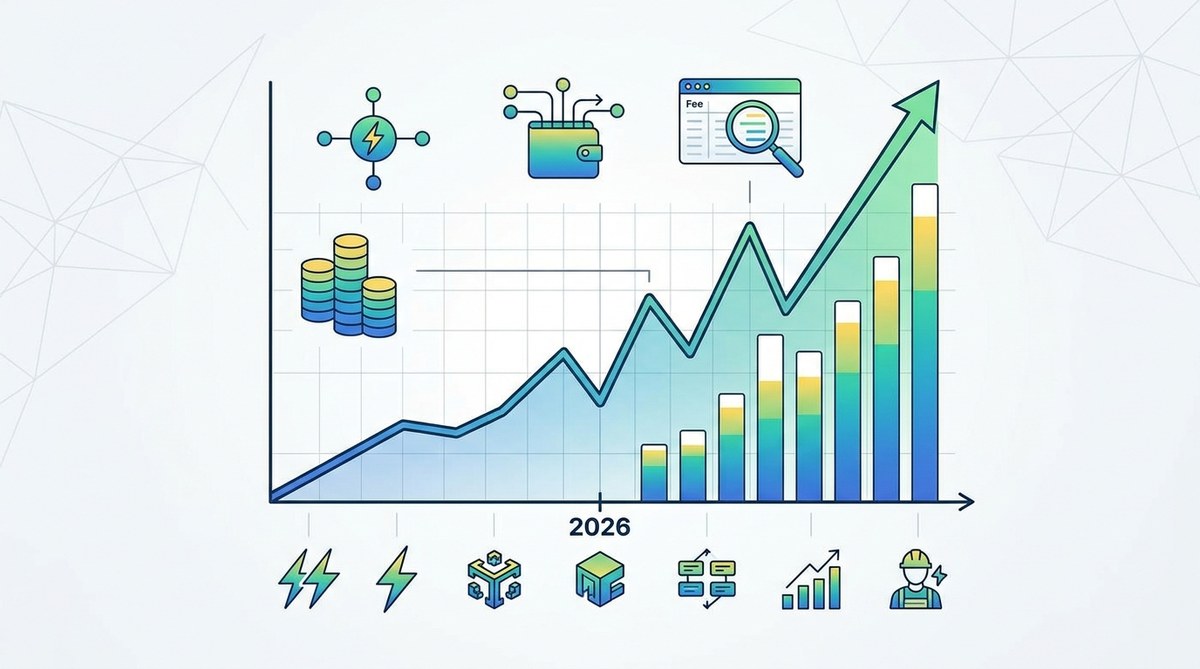
If you have sent Bitcoin more than a few times, you know the drill. You open your wallet, see the fee slider, and wonder if you are overpaying or about to get stuck in mempool limbo. In 2026, that feeling is more common than ever. The Bitcoin network has grown, adoption has spread, and transaction costs have become a real line item for anyone moving value on chain. The good news? You do not need a crystal ball to prepare. You just need to understand the forces at play and build a strategy that works for your budget.
Bitcoin fees in 2026 will continue to fluctuate based on network congestion, halving cycles, and growing institutional demand. The average fee during low activity periods may stay under $5, but spikes above $30 are likely during bull runs or major events. You can prepare by using fee estimators, batching transactions, timing sends during off-peak hours, and exploring layer-2 solutions like the Lightning Network. The smartest approach combines awareness of market cycles with practical tools to cut costs without sacrificing speed.
What Drives Bitcoin Fees in 2026
Bitcoin fees are not random. They follow a clear logic tied to supply and demand for block space. Each block can hold a limited number of transactions. When more people want to send Bitcoin, they compete by offering higher fees to miners. That competition is what pushes costs up.
In 2026, several factors are shaping that demand more than ever before.
Institutional adoption keeps climbing. Big asset managers, corporate treasuries, and even some pension funds now hold Bitcoin on their balance sheets. When these players move funds, they often do so in large batches, but the cumulative effect still adds pressure to the network.
The 2024 halving already cut block rewards in half, making fees a larger share of miner income. Miners care more about fee revenue now, which means they prioritize high-fee transactions even more aggressively. This does not directly raise fees, but it does mean low-fee transactions may wait longer during busy periods.
Regulatory clarity in the United States has also brought more retail users into the market. More wallets, more exchanges, more activity. All of that feeds into the same mempool.
How to Predict Fee Spikes Before They Happen
You cannot predict the exact fee for next Tuesday at 3 PM, but you can spot the conditions that lead to spikes. Here is what to watch for.
- Bitcoin price rallies. When price jumps 10% or more in a day, trading volume explodes. Exchanges need to move coins between wallets, and the mempool fills up. Fees often double or triple within hours.
- Major protocol upgrades. When a soft fork or Taproot-related activation goes live, developers and node operators often test new features. That testing creates extra transactions.
- Geopolitical or economic news. If a country announces a Bitcoin reserve or a major bank starts offering custody, the market reacts. Those reactions show up in on-chain activity.
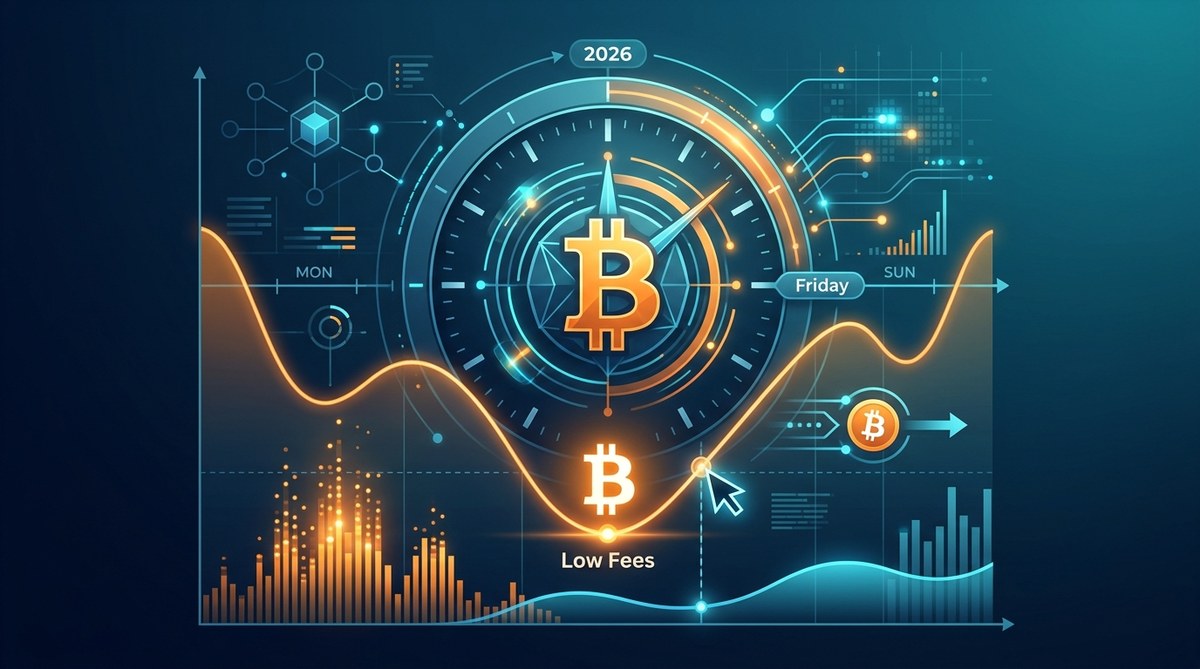
- Holiday and weekend patterns. Fees tend to drop on Saturdays and Sundays in the US, but spike on Monday mornings when businesses resume settlements.
“The best way to avoid high fees is to watch the mempool like you watch the weather. If you see a storm forming, wait it out. Most spikes last less than 48 hours.” — Anonymous Bitcoin core developer, 2025 interview
A Practical Process for Timing Your Transactions
If you want to save money, you need a repeatable system. Here is a step-by-step process that works in 2026.
- Check the mempool first. Before you send anything, open a mempool visualizer. Look at the number of unconfirmed transactions. If it is above 200,000, fees are likely elevated.
- Use a fee estimator tool. Most modern wallets include one, but standalone estimators are more accurate. Set your desired confirmation time and let the tool suggest a fee rate in sat/vB.
- Compare fee rates across the last 24 hours. If the current rate is higher than the 24-hour average, wait. Set an alert and send when the rate drops back down.
- Batch your transactions. If you need to send to multiple addresses, do not send them one by one. Combine them into a single transaction. You pay one fee instead of five.
- Consider the Lightning Network for small amounts. If you are sending less than $200, Lightning is almost always cheaper. Open a channel, send, and close when convenient.
This process takes about five minutes once you get used to it. The savings can be 30% to 60% per transaction.
Common Mistakes That Inflate Your Fees
Many users overpay simply because they do not know what they are looking at. Here is a table of frequent errors and the smarter approach.
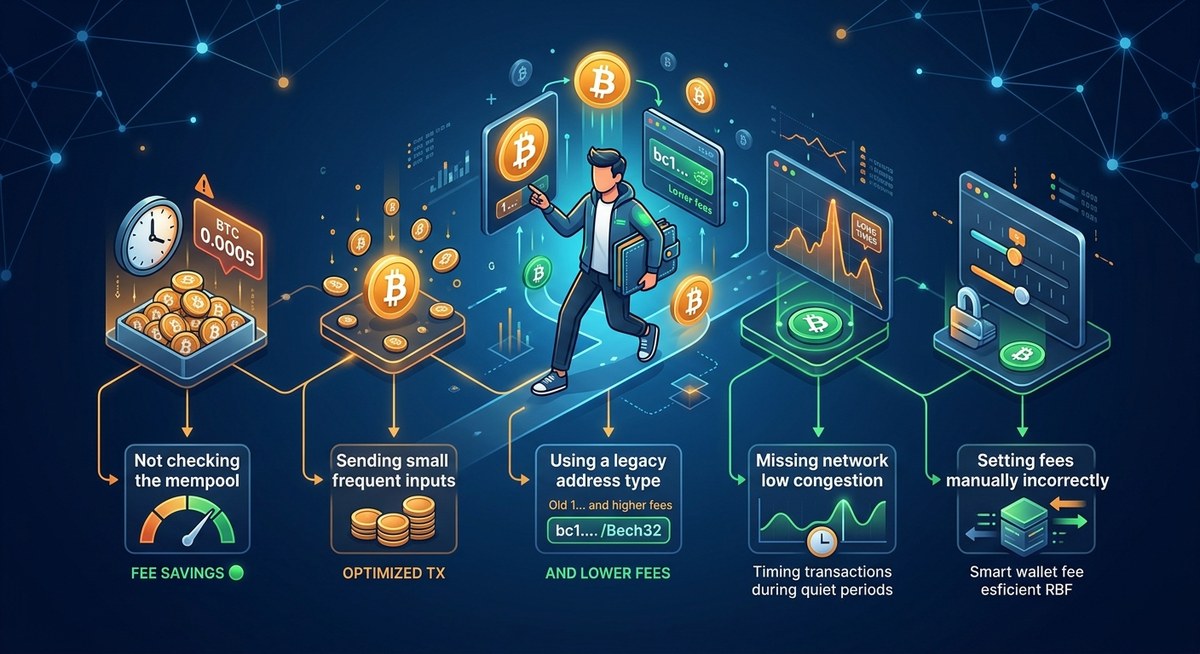
| Mistake | Why It Costs You | What to Do Instead |
|---|---|---|
| Using the default fee in your wallet | Wallets often set a high default to ensure speed. | Manually adjust the fee based on current mempool conditions. |
| Sending during US business hours | Peak activity times mean higher competition. | Send late at night or on weekends when traffic is lower. |
| Ignoring transaction size | Larger transactions (many inputs) cost more. | Consolidate UTXOs during low fee periods. |
| Paying for “priority” speed | You may not need confirmation in 10 minutes. | Choose a 2-3 block target for non-urgent sends. |
| Not using Replace-by-Fee (RBF) | You cannot adjust a stuck transaction. | Enable RBF so you can raise the fee if needed. |
If you want a full breakdown of these pitfalls, check out this guide on 5 mistakes that inflate your Bitcoin fees and how to avoid them.
What Fee Ranges to Expect in 2026
Predicting exact numbers is tricky, but we can set realistic ranges based on current data and historical patterns.
During calm market periods with low volatility, expect fees between $2 and $8 for a standard transaction. That is the sweet spot. You can send with a moderate fee and get confirmed within 30 minutes.
When the market heats up, fees can jump to $15 to $35. This happens during price surges, major exchange listings, or network congestion from Ordinals or BRC-20 token activity. In 2025, we saw several spikes above $40 during the Ordinals boom. Similar patterns are likely in 2026.
During extreme events, such as a black swan price crash or a massive institutional inflow, fees can briefly exceed $50. These events are rare but real. If you are not in a hurry, you can simply wait them out.
For a deeper look at how network conditions affect your costs, read about what Bitcoin’s fee market tells us about network congestion in 2026.
Tools That Help You Stay Ahead
You do not need to guess. Several tools give you real-time data and predictions.
- Mempool.space shows the current mempool size, fee rates by priority, and historical trends. It is free and runs in your browser.
- BitcoinFees.cash provides a clean fee estimator and educational content tailored to cost-conscious users.
- Wallets with built-in fee optimization like BlueWallet and Electrum let you set custom fee rates and enable RBF.
- Lightning Network wallets such as Phoenix and Breez handle small payments with near-zero fees.
If you want to master these tools, start with this resource on top tools to track network performance and minimize transaction fees.
Layer 2 Solutions Are Not Optional Anymore
In 2026, relying solely on on-chain transactions for everyday spending is like driving a truck to pick up groceries. It works, but it is wasteful. The Lightning Network has matured significantly. Channels are more reliable, liquidity is deeper, and user interfaces are smoother.
For transactions under $500, Lightning fees are often less than a penny. Even for larger amounts, splitting a payment into a Lightning channel and settling on chain later can save you 90% compared to a direct on-chain send.
If you have not tried Lightning yet, now is the time. Set up a wallet, buy a small amount of Bitcoin, and send a test payment. The learning curve is short, and the savings are real.
Learn more about how to use the Lightning Network to drastically cut Bitcoin fees in 2026.
How to Build a Long-Term Fee Strategy
A single transaction is one thing. But if you send Bitcoin regularly, you need a system that works month after month. Here is how to build one.
- Track your average fee per transaction. Use a spreadsheet or a portfolio tracker. If your average creeps above $10, you are overpaying.
- Set fee alerts. Many tools let you set a threshold. When fees drop below your target, you get a notification.
- Keep a small Lightning balance. For daily spending, keep $100 to $200 in a Lightning wallet. Use on-chain only for larger moves.
- Consolidate during low fee windows. Once a quarter, check your UTXOs. If you have many small inputs, combine them into one when fees are low.
This approach turns fee management from a chore into a habit. You stop worrying about each send and start saving consistently.
For a more detailed playbook, take a look at the ultimate guide to reducing Bitcoin fees in 2026 for cost-effective transactions.
Putting It All Together for 2026
Bitcoin fees in 2026 will not be static. They will rise and fall with market cycles, network activity, and global events. But that volatility is not a problem. It is an opportunity. If you learn to read the signals, use the right tools, and time your sends wisely, you can keep your costs low without sacrificing speed or security.
Start small. Check the mempool before your next transaction. Try a fee estimator. Set up a Lightning wallet. Each step saves you a little more. Over a year of regular use, those savings add up to real money.
And if you ever feel stuck, remember that the community has built incredible resources to help. You are not guessing alone.









Leave a Reply