
Getting the most out of Bitcoin transactions in 2026 means keeping an eye on fees. High fees can eat into your investment returns or make small transactions less worthwhile. Fortunately, there are smart ways to lower those costs without sacrificing security or speed. Understanding how fees work and applying proven strategies can help you make cost-effective moves on the blockchain. Whether you’re sending small amounts or moving large sums, reducing fees is key to maximizing your crypto experience in 2026.
In 2026, reducing Bitcoin fees involves understanding network congestion, choosing optimal times, selecting low-cost wallets, and leveraging Layer 2 solutions. Smart planning keeps costs down while ensuring reliable transactions.
Understanding Bitcoin Transaction Fees in 2026
Bitcoin transaction fees are the price you pay for getting your transaction confirmed on the blockchain. They are determined by demand for network space and the size of your transaction in bytes. When the network is busy, fees increase. Conversely, during quieter times, fees can drop significantly. Fees are essential to incentivize miners to include your transaction in the next block. Knowing how these fees are calculated and what influences them is the first step to reducing costs.
Why Bitcoin Fees Fluctuate and How to Stay Ahead
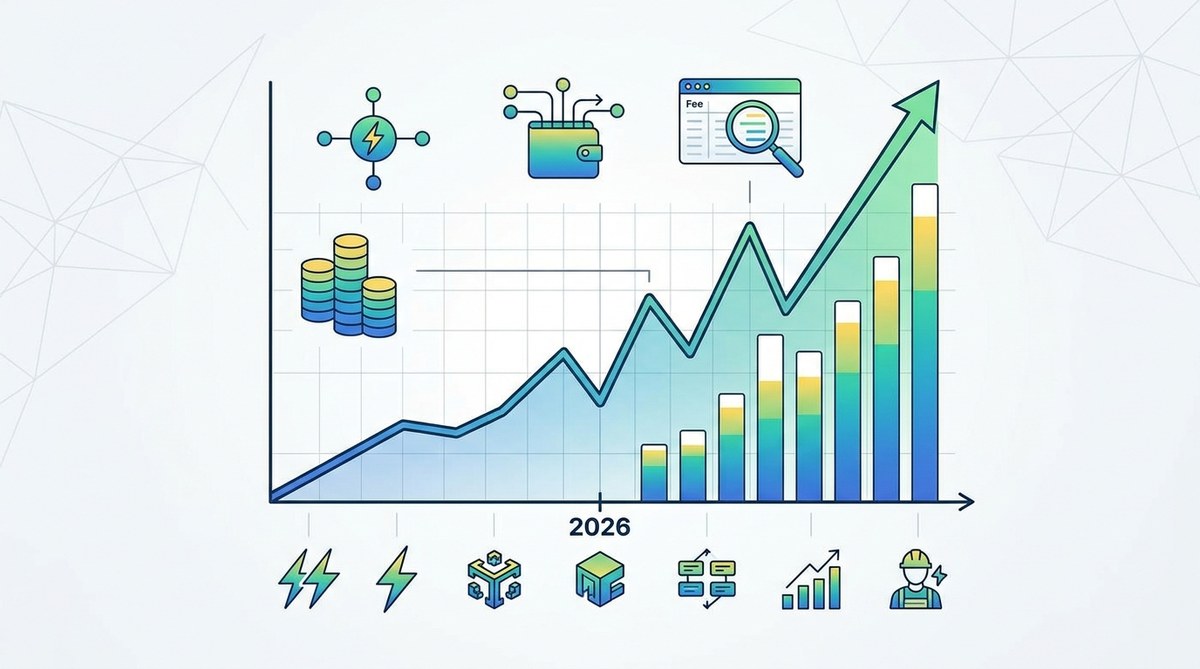
Fees vary based on several factors. During periods of high activity, like market surges or major news events, fees tend to spike as users compete for space. The size of your transaction also matters; larger transactions with more data require higher fees. Additionally, the fee rate you choose influences your confirmation time—paying less may delay your transaction. Staying informed about network congestion and adjusting your approach accordingly can make a big difference.
Practical Techniques to Lower Bitcoin Transaction Fees in 2026
Reducing Bitcoin fees in 2026 is achievable with a combination of timing, smart wallet choices, and technology. Here are three proven steps to minimize costs:
1. Send Transactions During Off-Peak Hours
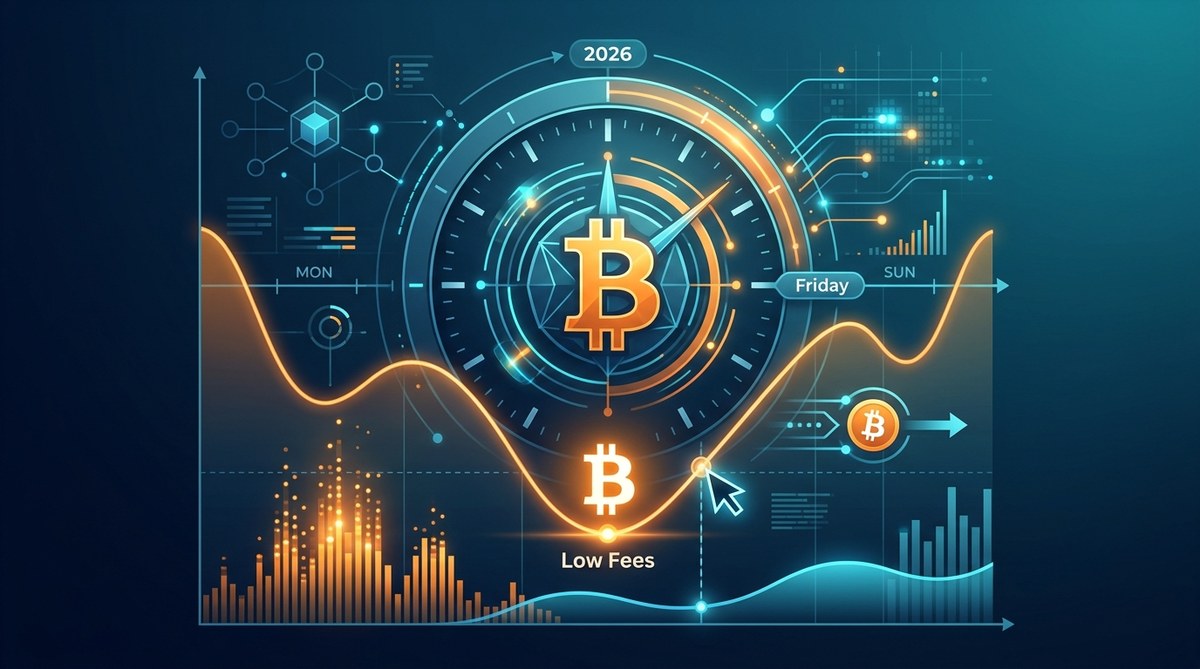
Network congestion peaks during certain times of the day, often when traders and investors are most active. Typically, late at night or early mornings in U.S. time zones see lower activity. Use tools like blockchain explorer to monitor fee rates and plan your transactions during these quieter periods. Sending when the network is less crowded can slash your fees significantly.
2. Use a Low-Fee Wallet with Fee Optimization Features
Not all wallets handle fee calculation the same way. Choose wallets that automatically suggest the lowest viable fee based on current network conditions. Wallets like Electrum or BlueWallet offer fee estimation tools that help you pick the right fee for your desired confirmation speed. Some wallets support fee bumping or replace-by-fee (RBF), giving you flexibility to increase fees if needed without canceling the transaction.
3. Leverage Layer 2 Solutions and Sidechains
Layer 2 networks such as the Lightning Network allow for instant, low-cost transactions off the main blockchain. They are perfect for small, everyday payments or micro-transfers. By moving your transactions to Layer 2, you avoid high on-chain fees during busy times. When you need to settle on the main chain, do so during off-peak hours for minimal costs. These solutions are especially useful for frequent users aiming to keep costs predictable.
Additional Tips for Cost-Effective Bitcoin Transactions
- Batch transactions: Combine multiple payments into one transaction to save on fees.
- Use coin control features: Select smaller UTXOs (unspent transaction outputs) to reduce transaction size.
- Avoid unnecessary on-chain transactions: Use payment channels or custodial solutions for frequent transfers.
- Monitor fee rates: Check real-time fee data on sites like bitcoinfees.cash to time your transactions.
Common Mistakes That Lead to Higher Fees
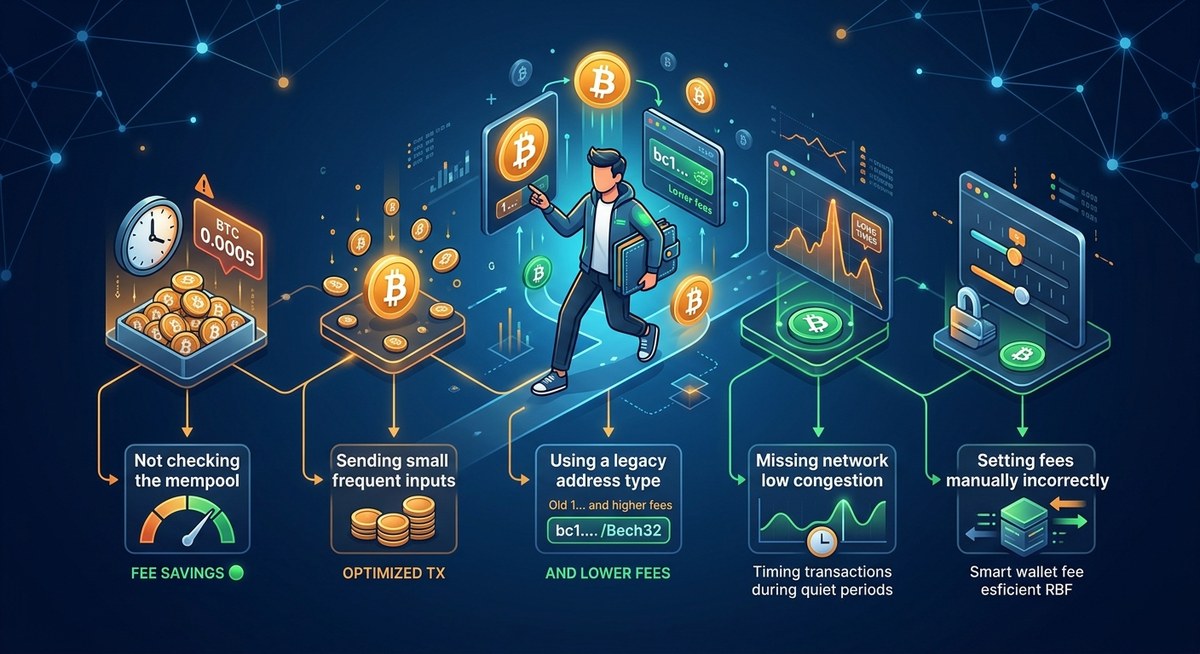
| Mistake | Explanation | Better Approach |
|---|---|---|
| Sending during peak hours | Fees spike due to network congestion | Wait for off-peak times |
| Using default fee settings | Overpaying for fast confirmation | Use dynamic fee estimation tools |
| Sending large transactions unnecessarily | Bigger size increases fees | Batch payments or split into smaller transactions |
| Ignoring fee trends | Missing low fee windows | Regularly monitor fee rates |
Expert Advice on Managing Bitcoin Fees
“The key to reducing Bitcoin fees in 2026 is patience and planning. Waiting for lower congestion periods and utilizing Layer 2 solutions can save you a lot of money while keeping your transactions reliable.” — Crypto analyst Jane Doe
Mistakes to Avoid When Trying to Cut Costs
- Overpaying for quick confirmation without checking current network conditions.
- Relying solely on fixed fee amounts rather than adjusting based on real-time data.
- Ignoring the benefits of batching multiple transactions into one.
Final Words on Making the Most of Your Bitcoin Transactions in 2026
Reducing Bitcoin fees in 2026 is about being smart and flexible. Use tools to stay informed about network activity. Choose wallets that optimize fee calculation. Take advantage of Layer 2 networks when appropriate. Planning your transactions around network congestion times can save you a lot of money. As the ecosystem evolves, staying updated on fee-saving techniques will keep your crypto activities cost-effective and enjoyable.
By adopting these strategies, you ensure your Bitcoin transactions remain affordable and efficient. Keep an eye on network trends and tools, and your costs will stay in check. Happy transacting in 2026!








Leave a Reply