

If you have sent Bitcoin on-chain recently, you know the pain. A simple transaction can cost $5, $10, or even more during busy periods. For merchants, creators, or anyone sending frequent payments, those fees add up fast. But there is a proven way to bypass this bottleneck without waiting for blocks to clear. The Lightning Network turns Bitcoin into a payment system that settles almost instantly and costs pennies. In 2026, using LN is no longer just for tech enthusiasts. It is a practical tool for anyone who wants to keep more of their money and move it at internet speed.
Lightning Network reduces Bitcoin fees by up to 99% by moving most transactions off the main blockchain. You pay a small opening fee to create a payment channel, then send unlimited payments for a fraction of a cent. In 2026, setting up a Lightning wallet and funding a channel is the fastest way to slash transaction costs for everyday spending, micropayments, and business operations.
What Makes Lightning Network So Good for Reducing Fees?
The Lightning Network is a second layer built on top of Bitcoin. It works by creating payment channels between users. You open a channel with a single on-chain transaction, which costs a normal Bitcoin fee. After that, you can send Bitcoin back and forth as many times as you want inside that channel. Each transfer updates a balance off-chain. Only when you close the channel does another on-chain transaction happen. This means thousands of payments use just two on-chain fees.
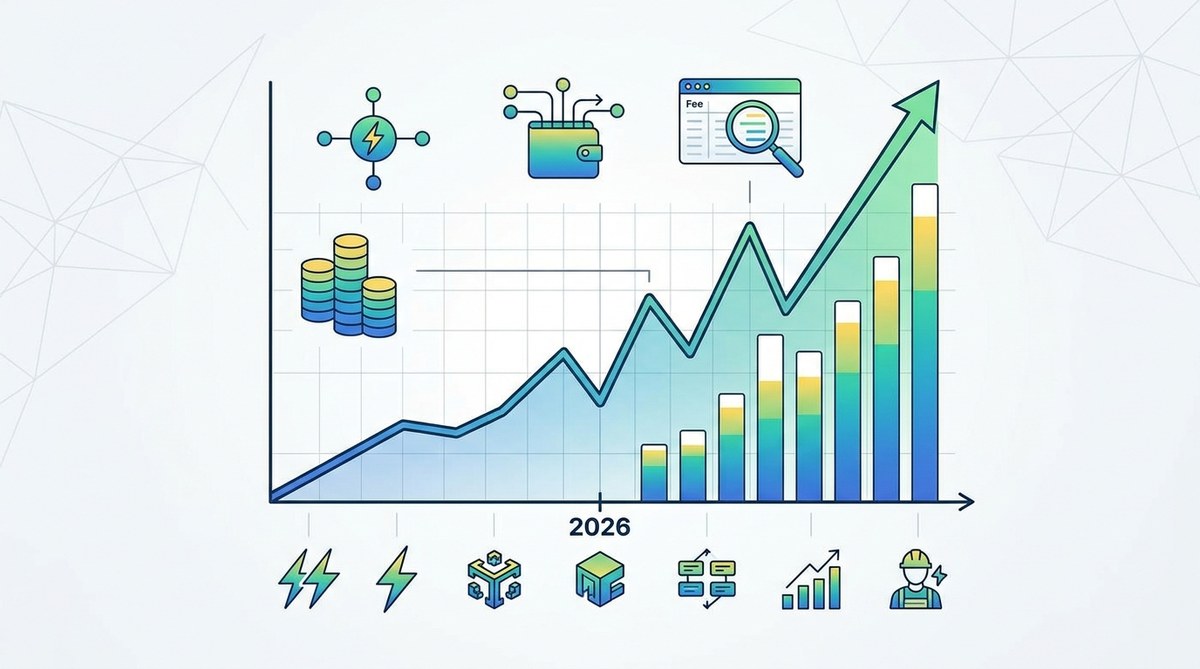
The fee savings are massive. A typical on-chain Bitcoin transfer in 2026 might cost between $2 and $12, depending on network congestion. A Lightning payment costs around 0.001% of the amount, and often under one cent. For example, sending $10 over Lightning might cost $0.001. The same payment on-chain could be $5. That is a 99.98% reduction.
This is not a theoretical improvement. Real businesses and individuals already rely on Lightning to make Bitcoin practical for daily use. If you want to understand how the fee market behaves during peak times, our guide on what bitcoin’s fee market tells us about network congestion in 2026 provides the full picture.
How to Start Using Lightning Network to Cut Your Bitcoin Fees Today
Getting started is simpler than you think. Here is a step by step process that will have you saving money within an hour.
-
Choose a Lightning wallet – Look for a wallet that supports the Lightning Network. Popular options in 2026 include Phoenix, Breez, and Wallet of Satoshi. Each offers a different balance of control and convenience. Non custodial wallets give you full ownership of your channels; custodial wallets handle the technical side for you.
-
Buy or deposit Bitcoin – If your wallet does not have an exchange integrated, transfer a small amount of Bitcoin from your main wallet or exchange. Aim for at least enough to open a channel and have some spending balance.
-
Open a payment channel – The wallet will ask you to select a channel size and a peer. Many wallets automate this. The on-chain transaction to open the channel costs a normal Bitcoin fee, but once it confirms you are ready.
-
Receive or send your first Lightning payment – Tap the receive button to generate an invoice. Share it with the sender. The payment arrives in seconds with a near zero fee. To send, scan a Lightning invoice or enter a node address.
-
Manage your channels over time – As you use Lightning, your channel balances shift. You may want to rebalance or open additional channels. Some wallets do this automatically. For larger operations, tools like LND or c-lightning give you full control.
That is it. Once you have a funded channel, every transaction you make through it bypasses the expensive Bitcoin base layer.
Real Life Examples: Where Lightning Saves the Most
- Micropayments – Paying a few cents for a digital article, a song stream, or a game tip. On-chain fees would eat the whole amount. Lightning makes micro transactions viable.
- Coffee shops and retail – Merchants can accept Bitcoin without worrying about transaction fees. A $5 coffee costs less than a penny to process.
- Streaming payments – Platforms that pay creators per minute or per view use Lightning to send constant small payments. On-chain would be impossible.
- Cross border remittances – Sending money to family abroad often incurs high bank fees. Lightning cuts the cost to near zero and settles in seconds.
- Automated subscriptions – Services can charge you daily or hourly without piling up fees. Lightning invoices are created fresh for each payment.
Common Mistakes and How to Avoid Them
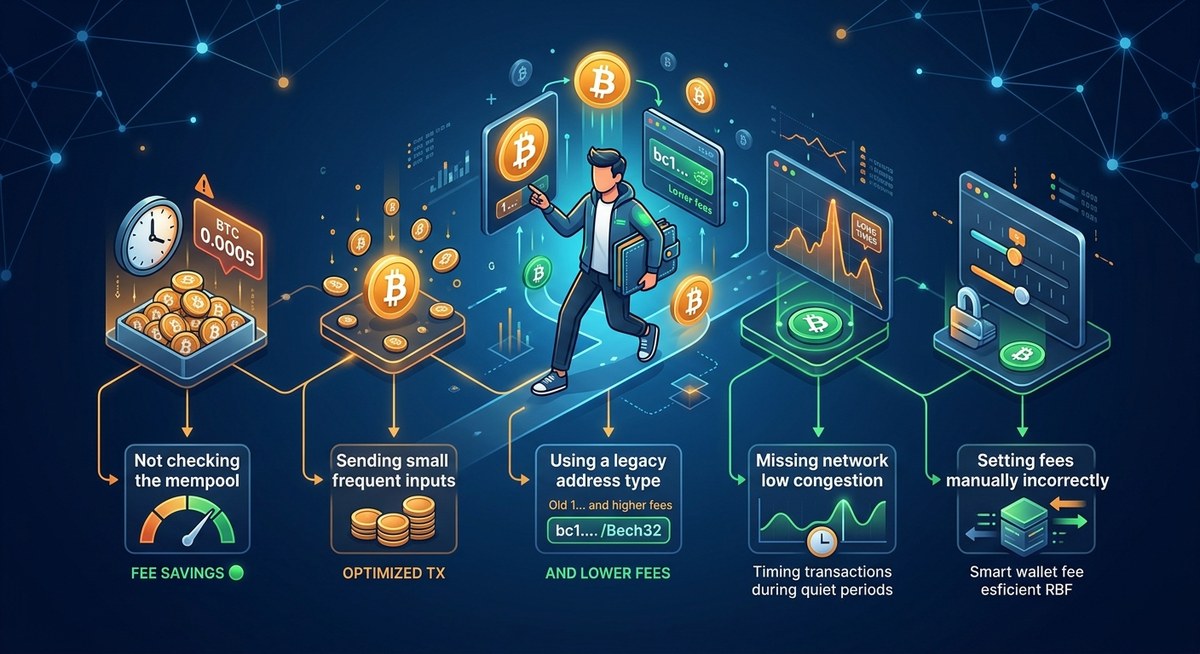
Even experienced users make errors that eat into savings. The table below shows the most frequent pitfalls and the right approaches.
| Technique | Common Pitfall | Best Practice |
|---|---|---|
| Opening channels | Choosing a channel that is too small, so you cannot route large payments | Size your channel based on your expected maximum payment. For frequent use, 1 million to 5 million satoshis is a good range. |
| Routing payments | Picking a single node that charges high fees or has low liquidity | Use wallets that automatically find the lowest fee path. If you run your own node, install fee optimization tools like Lightning Labs Pool. |
| Managing inbound liquidity | Running out of inbound capacity, so you cannot receive payments | Open some channels with large nodes or use a service like Loop to bring inbound liquidity in exchange for a fee. Alternatively, use a custodial wallet that provides inbound liquidity. |
| Closing channels | Closing channels too early or without checking the fee environment | Wait for low on-chain fees (like weekends or early morning) to close channels. Use CPFP (child pays for parent) if needed to accelerate when fees spike. |
| Ignoring base fees | Leaving node fees too high, making your channel unattractive for routing | Set a low base fee (1 satoshi or less) and a reasonable fee rate (0.001% to 0.01%). Review your fee settings monthly. |
Expert Advice on Optimizing Lightning Fees
“The biggest mistake I see new node operators make is treating Lightning like a bank account. They open one channel with a friend and expect it to work for everything. In reality, you need a mix of channels with different directions. Keep your base fees near zero. The profit from routing is in the volume, not the per payment markup. And always watch your channel imbalance. If you take in more than you send, you will soon be unable to receive.”
— Alex, Lightning node operator with over 100 channels since 2023
This advice rings true. Many users think that once a channel is open, they are done. But Lightning requires active management to keep fees low. The good news is that wallets are getting smarter. In 2026, many mobile wallets handle rebalancing and fee choice automatically, so you barely notice the work.
If you want to go deeper into fee calculation and avoidance, check our piece on how to leverage network conditions in 2026 to minimize Bitcoin transaction fees. It covers timing strategies that work alongside Lightning.
Start Saving on Bitcoin Fees Right Now
You now know the method. Set up a Lightning wallet. Fund a channel. Send and receive with near zero fees. It takes less than an hour and saves you money from the first transaction. In a world where on-chain Bitcoin fees can still spike unpredictably, Lightning is the escape hatch for cost conscious users.
Do not wait for the next fee jam. Get your Lightning wallet today and start cutting your Bitcoin fees. Your future self will thank you when you send $100 for the cost of a penny.









Leave a Reply