

Keeping your Bitcoin transactions affordable in 2026 requires understanding the current state of the network and applying smart strategies. With Bitcoin fees fluctuating based on network congestion and other factors, it’s crucial to stay informed and proactive. Whether you’re sending small amounts or large sums, minimizing fees can save you significant money over time. Let’s explore how you can leverage network conditions and adopt best practices to keep your Bitcoin transaction costs low this year.
In 2026, Bitcoin transaction fees vary with network congestion. To reduce costs, monitor network activity, choose optimal times, and set appropriate fee levels. Using advanced tools can help you make better decisions and save money on each transaction.
Understanding Bitcoin Transaction Fees in 2026
Bitcoin transaction fees are payments made to miners to prioritize your transaction for confirmation. These fees are not fixed and depend on several factors like network demand, transaction size, and the type of transaction. As of 2026, the fee landscape has evolved with improvements in blockchain technology and users becoming more fee-savvy.
During peak periods, fees surge due to high demand, leading to longer confirmation times for transactions with lower fees. Conversely, during off-peak hours, fees drop, making it an ideal time to send Bitcoin at a lower cost. The key is to understand how network conditions influence fees and how to adapt your approach accordingly.
How Network Conditions Impact Bitcoin Fees
Bitcoin network congestion plays a significant role in determining transaction fees. When many users send transactions simultaneously, miners prioritize those offering higher fees. This bidding war pushes fees upward, which can make smaller transactions expensive.
Conversely, during periods of low traffic, fees decrease as miners have fewer transactions to process. In 2026, network monitoring tools have become more sophisticated, enabling users to see real-time data on congestion levels. By leveraging this information, you can time your transactions effectively and avoid unnecessary costs.
Factors that influence transaction fees include
- Network congestion: High traffic increases fees.
- Transaction size: Larger transactions cost more.
- Fee market dynamics: Miners select transactions based on fee rates.
- SegWit adoption: Reduces transaction size and fees.
- Transaction batching: Combines multiple payments into one to save costs.
Practical Strategies to Reduce Bitcoin Transaction Fees
Getting the most out of your Bitcoin transactions in 2026 involves a mix of timing, technology, and smart fee management. Here are the top three steps to keep your costs down:
-
Monitor network conditions regularly
Stay informed about current congestion levels using tools like Bitcoinfees.cash. These platforms display real-time fee estimates and congestion metrics, helping you choose the best times to send transactions. -
Choose your transaction timing wisely
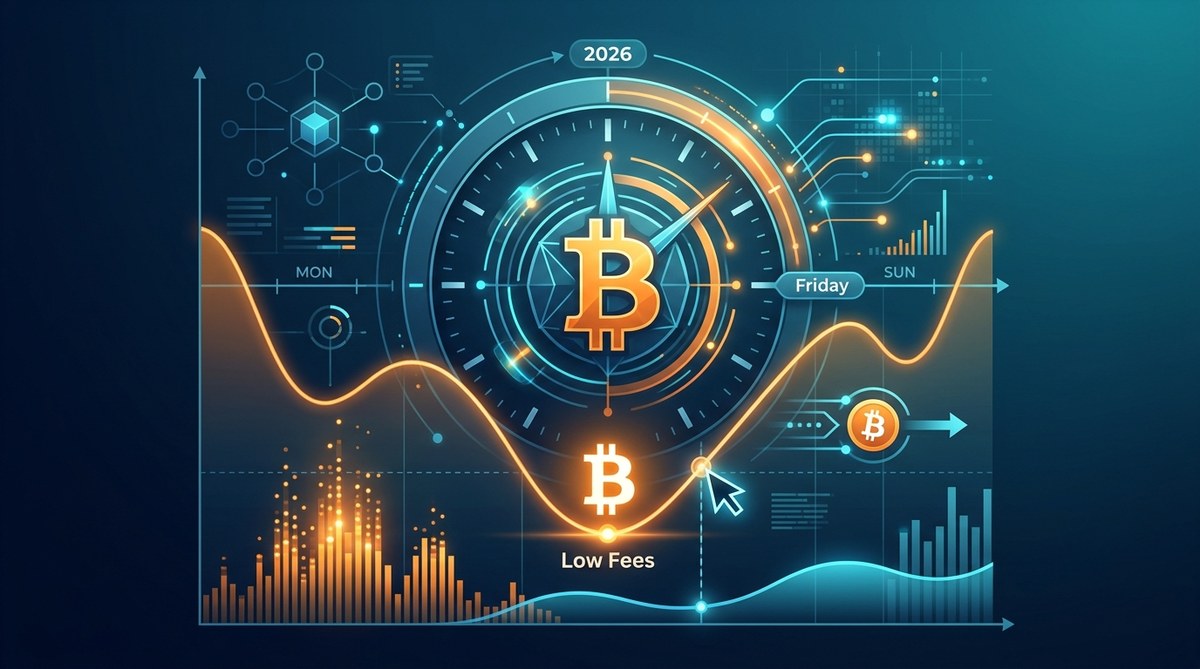
Timing is everything. Aim to send transactions during off-peak hours, typically late at night or early mornings in the U.S., when network traffic tends to be lower. This can significantly reduce your fees without sacrificing confirmation speed. -
Set appropriate fee levels and use advanced features
Most wallets in 2026 allow you to customize fee rates. Select a fee that balances cost and confirmation speed based on your urgency. For example, if you’re not in a rush, set a lower fee and wait for confirmation during a lull in network activity. Additionally, utilize features like transaction batching to combine multiple payments into a single transaction to cut costs.
Additional Tips for Cost-Effective Bitcoin Transactions
- Use wallets that support dynamic fee adjustment and real-time fee estimation.
- Avoid sending transactions during known periods of high congestion, such as major market events or network upgrades.
- Consider using second-layer solutions like the Lightning Network for small or frequent transactions, as these typically bypass on-chain fees.
Common Mistakes That Drive Up Fees
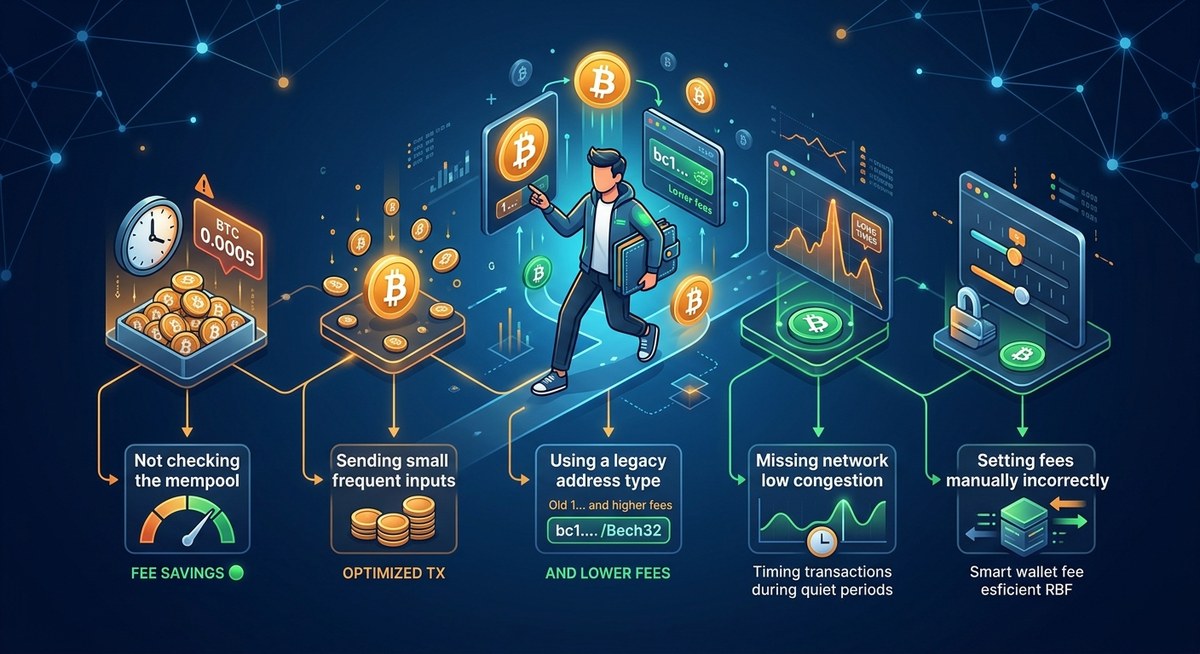
| Mistake | Explanation | Better Approach |
|---|---|---|
| Sending unoptimized transactions | Using default fee settings during peak times can lead to higher costs. | Always check current fee estimates and set your fee accordingly. |
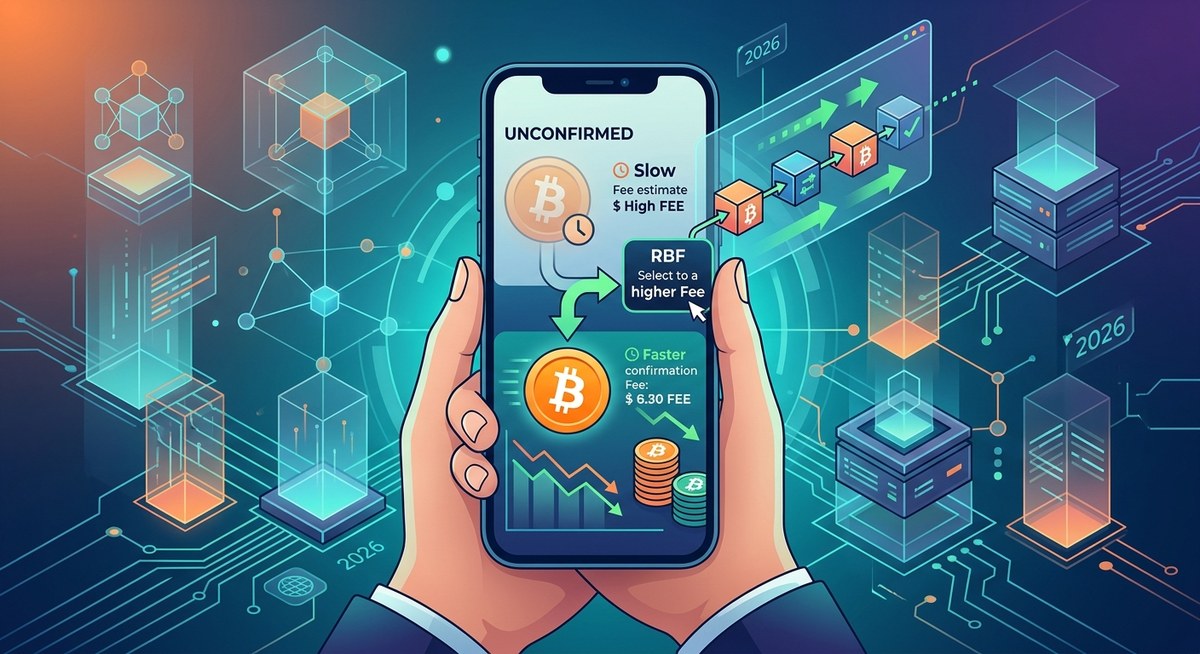
| Waiting too long to confirm | If you delay, your transaction might get stuck or require a fee bump. | Use fee bumping tools or replace-by-fee (RBF) options if available. |
| Ignoring network activity | Sending during high congestion increases costs unnecessarily. | Monitor real-time data and plan your transactions during off-peak hours. |
“Timing your Bitcoin transactions around network congestion can save you a lot over the year. Use available tools to stay ahead of fee fluctuations.” – Crypto analyst Jane Doe
How to Use Tech Tools for Smarter Fee Management
In 2026, several apps and websites offer insights into network activity. Using these tools can help you make informed decisions.
- Fee estimation platforms: Display current fee rates and congestion indicators.
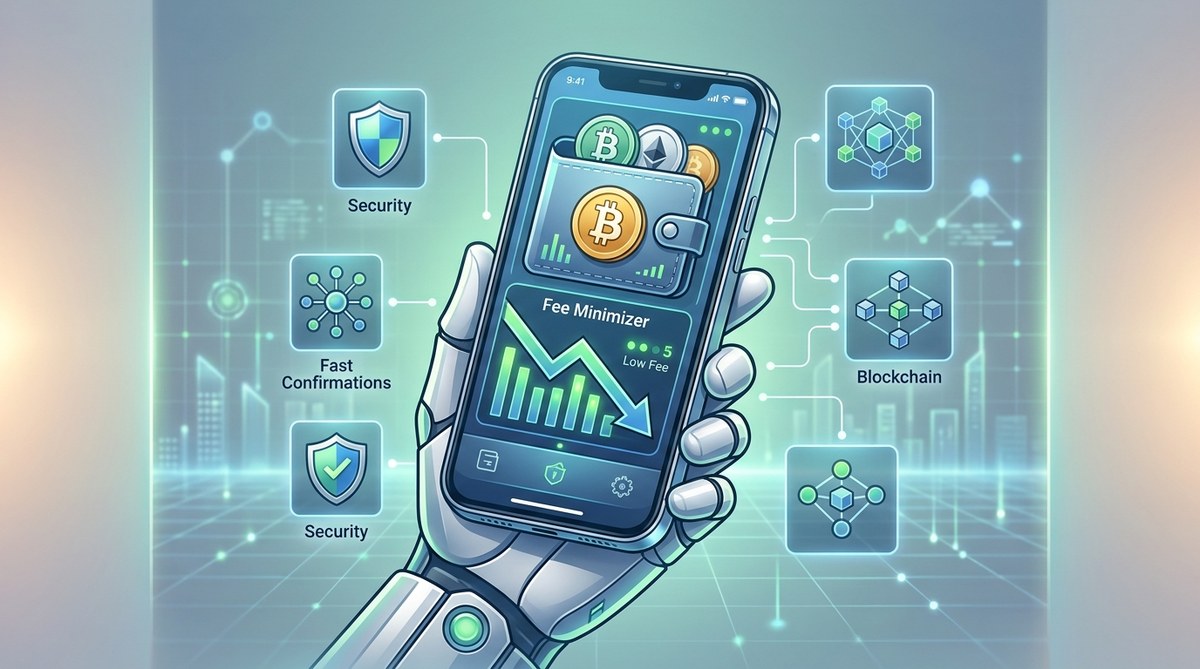
- Wallet integrations: Many wallets automatically suggest optimal fees based on real-time data.
- Blockchain explorers: Review recent blocks and confirm fee trends.
Combining these tools with your transaction timing strategy can help you achieve the lowest possible fees.
Why Smart Fee Management Matters in 2026
As Bitcoin’s network continues to evolve, so does the importance of managing transaction fees smartly. Lower fees mean more cost-effective transfers, especially for small or frequent transactions. It also reduces the risk of your transaction getting stuck or delayed. By adopting these practices, you keep your crypto dealings efficient without sacrificing speed or security.
Staying Ahead with Network Insights and Best Practices
Keeping an eye on network conditions isn’t just a one-time task. Regularly check fee estimates before sending Bitcoin, especially during volatile periods like market swings or network upgrades. Remember, technology is your ally. Wallets and third-party apps are now more capable than ever at helping you optimize your transaction costs.
Final Tips for Cost-Effective Bitcoin Transactions in 2026
- Always verify current network congestion before initiating a transaction.
- Use fee estimation tools to set the right fee, avoiding overpayment.
- Consider transaction batching for multiple payments.
- Use second-layer solutions when appropriate.
- Keep your wallet software updated to access latest fee management features.
Harnessing these strategies will ensure your Bitcoin transactions remain affordable and efficient throughout 2026. Staying informed and proactive is the best way to keep your crypto costs low.
Mastering the Art of Fee Optimization in 2026
Managing Bitcoin transaction fees effectively in 2026 is achievable with a combination of monitoring tools, timing, and smart wallet settings. By understanding network dynamics and avoiding peak congestion periods, you can significantly cut costs. Make a habit of checking real-time data and adjusting your transaction parameters accordingly.
Remember, the key is to stay flexible and use available technology to your advantage. With the right approach, your Bitcoin transactions can stay budget-friendly, even as network demand ebbs and flows.
Your next Bitcoin transfer can be both simple and economical. Keep these tips in mind, and you’ll navigate network conditions with confidence, saving money and time in the process.






Leave a Reply