
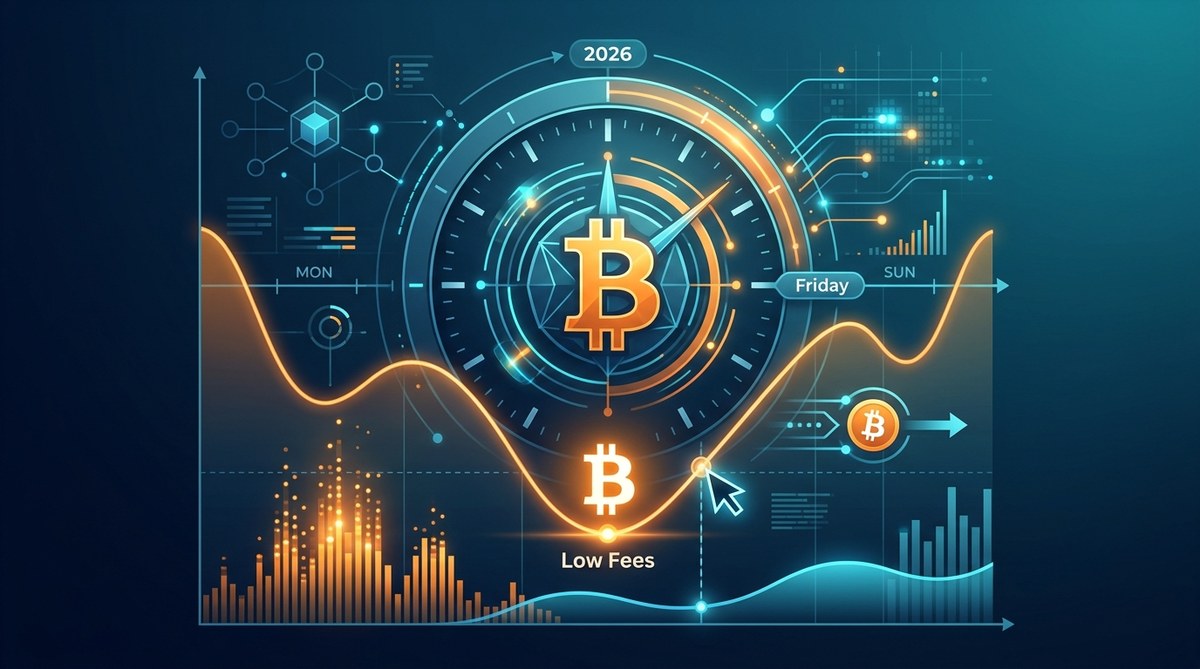
Paying high fees on a Bitcoin transaction feels like throwing money into a digital campfire. You watch it burn, and you get nothing extra for it. The good news is that you do not have to accept high costs as a fact of life. With the right timing and a few smart habits, you can consistently get the lowest bitcoin fees and keep more of your money working for you.
Bitcoin fees are lowest when the network is quiet, typically on weekends and late at night in U.S. time zones. You can save even more by using fee estimators, batching transactions, or switching to the Lightning Network for smaller payments. In 2026, tools like mempool monitors make it easier than ever to time your moves and avoid fee spikes. A little planning can cut your costs by 50% or more.
Why Bitcoin Fees Change So Much
Bitcoin does not have a fixed fee. Miners choose which transactions to confirm first, and they naturally pick the ones that pay the highest fee per byte. When lots of people send Bitcoin at the same time, the network gets congested. The mempool fills up, and fees rise as users compete for space in the next block.
Think of it like buying a plane ticket. If you book during a holiday rush, you pay a premium. If you fly on a Tuesday afternoon in February, you get a deal. Bitcoin works the same way. The trick is knowing when the “off-peak” hours happen.
The Best Times to Send Bitcoin in 2026
Network activity follows predictable patterns. Here are the windows when you are most likely to see the lowest bitcoin fees:
- Weekend mornings (Saturday and Sunday): Business transactions slow down, and fewer people are actively trading. Saturday morning around 6 AM to 10 AM Eastern is a sweet spot.
- Late nights (11 PM to 3 AM Eastern): Most of North America is asleep. The mempool often clears out during these hours.
- After major holidays: Once the holiday buying and selling frenzy ends, the network settles down for a few days.
- During low volatility periods: When Bitcoin’s price is flat, fewer people move coins. Check the market before you send.
One thing to watch out for: major events like exchange listings, regulatory news, or protocol upgrades can spike fees at any hour. Always check the current state of the mempool before you hit send.
How to Check the Mempool Before You Send
You do not need to guess. Free tools show you exactly how congested the network is right now. Here is a simple process:
- Open a mempool monitor like Mempool.space or a wallet with built-in fee estimates.
- Look at the “mempool size” in megabytes. If it is below 50 MB, fees are usually low. Above 200 MB means you should wait.
- Check the “fee rate” for the next block. If it is under 10 sat/vB, you are in a good zone.
- Set a custom fee based on what the tool recommends for a medium priority.
- Send your transaction and confirm within a few minutes.
Most wallets in 2026 let you adjust the fee manually. Do not rely on the default “high priority” setting unless you are in a hurry. For a deeper look at how these numbers work, check out our guide on how to calculate Bitcoin transaction fees for maximum savings in 2026.
Common Mistakes That Inflate Your Fees
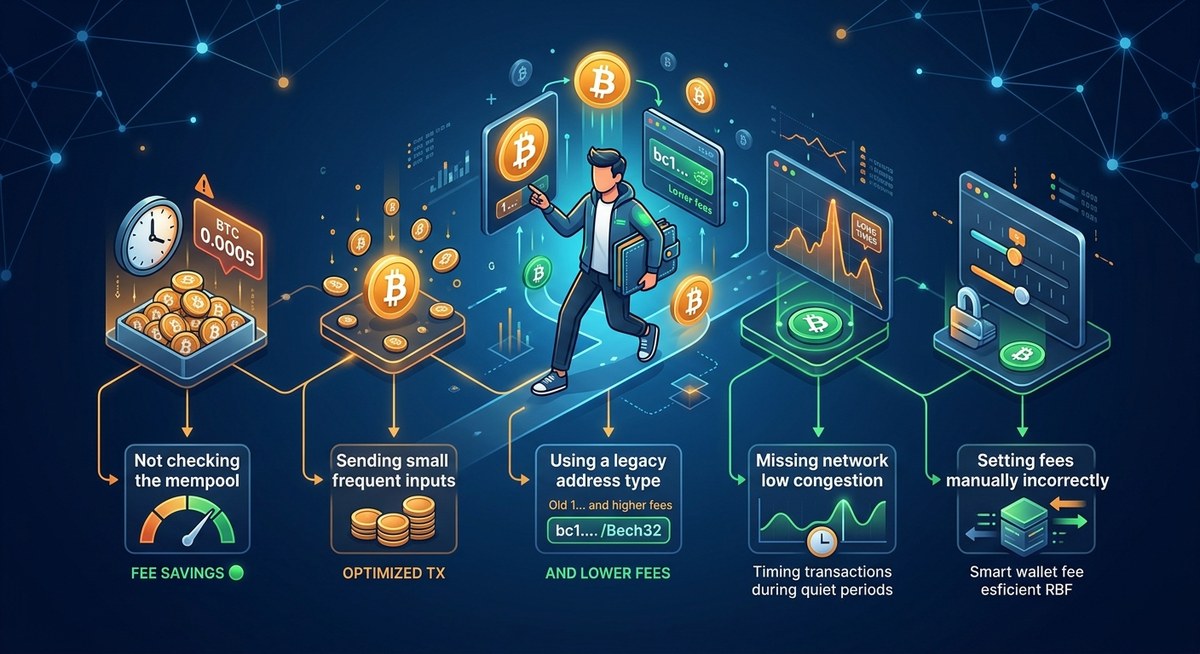
Even experienced users make errors that cost them money. Avoid these pitfalls:
| Mistake | Why It Hurts | Better Approach |
|---|---|---|
| Using the default fee | Wallets set a high default to ensure speed. | Manually set a fee using a live estimator. |
| Sending during U.S. business hours | North American traders create congestion. | Wait until late night or weekend. |
| Not batching multiple payments | Each transaction costs a base fee. | Combine several payments into one transaction. |
| Ignoring the mempool | You pay yesterday’s rate, not today’s. | Check mempool size before every send. |
| Using legacy addresses | P2PKH addresses are larger and cost more. | Switch to SegWit or Native SegWit addresses. |
If you want to see exactly which errors are most common, read our article on 5 mistakes that inflate your Bitcoin fees and how to avoid them.
When Paying a Little More Makes Sense
Sometimes waiting for the lowest fee is not worth it. If you are buying something time-sensitive or sending money to cover an urgent bill, a few extra dollars in fees might be the right call. The key is to make that choice consciously, not by accident.
“Treat your fee like a negotiation, not a tax. You have control over what you pay. The network does not care how much you send. It only cares about the fee rate per byte.” — Anonymous Bitcoin developer
For those moments when you need speed without overpaying, learn how to optimize your Bitcoin transaction fees for faster confirmations.
Advanced Strategies for 2026
If you send Bitcoin regularly, these techniques will save you a lot over time:
Use the Lightning Network
For small daily payments like buying coffee or tipping creators, the Lightning Network is your best friend. Fees are often less than a penny, and transactions confirm instantly. It requires a bit of setup, but the savings are massive. Our guide on how to use the Lightning Network to drastically cut Bitcoin fees in 2026 walks you through the process.
Batch Your Transactions
If you run a business or send payments to multiple people, combine them into one transaction. Instead of paying a fee for each recipient, you pay one fee for the whole batch. This alone can cut your costs by 70% or more.
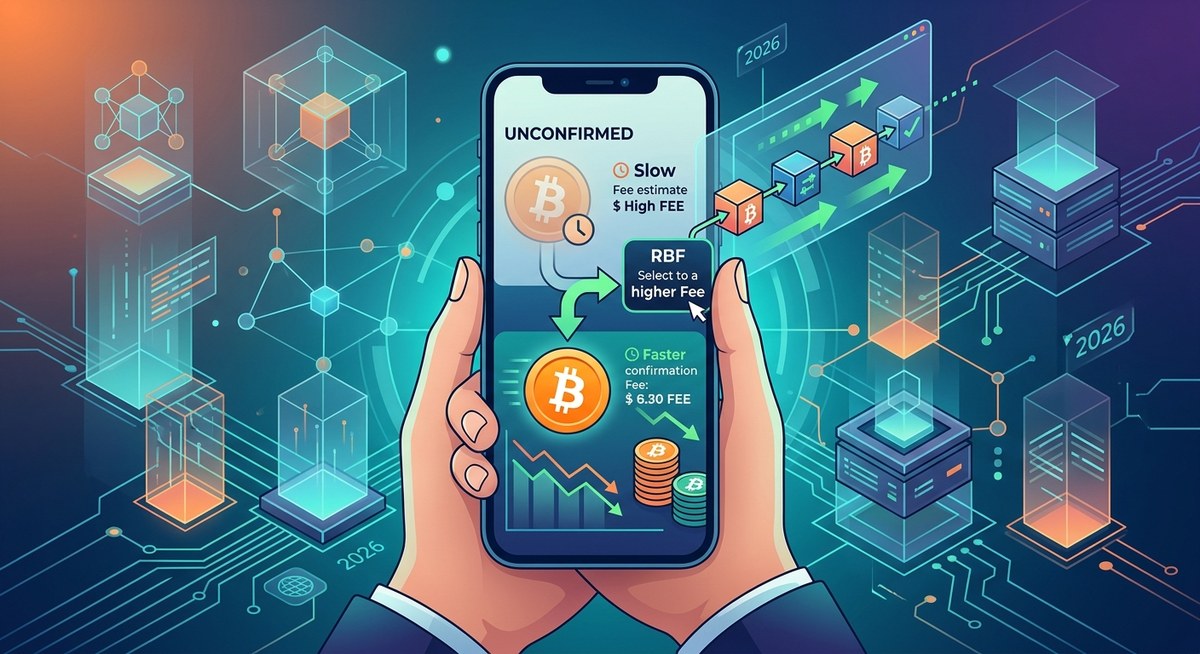
Use Replace-by-Fee Strategically
RBF lets you start with a low fee and bump it up if the network gets busy. This is a safety net. You never have to overpay upfront. Just set a conservative fee and increase it only if needed. See our breakdown of how to use Replace-by-Fee (RBF) to lower your Bitcoin transaction costs in 2026.
Watch for Fee Spikes
Certain events reliably cause fee spikes. Ordinals inscriptions, BRC-20 token minting, and exchange reserve reports can flood the network. If you see a lot of activity around these topics, wait a day or two. For a complete list of triggers, read how to predict Bitcoin fee spikes and save money in 2026.
What About Bitcoin Cash?
Bitcoin Cash was designed specifically to keep fees low. If you are tired of playing the timing game, you might consider using BCH for everyday transactions. The fees are consistently under a cent, and you never have to wait for a quiet hour. Learn more about why Bitcoin Cash offers lower fees for everyday transactions.
Tools to Help You Save
You do not have to do this manually. Several tools in 2026 make it easy to find the lowest bitcoin fees:
- Mempool.space: The gold standard for checking network congestion.
- BitcoinFees.cash: Our own tool that shows real-time fee estimates and historical trends.
- Wallet fee estimators: Most modern wallets (like BlueWallet, Electrum, and Sparrow) have built-in fee sliders that update every few minutes.
- Telegram bots: Some bots alert you when fees drop below a certain threshold.
For a full list of resources, see our collection of top tools to track network performance and minimize transaction fees.
A Sample Week of Smart Timing
Let us say you need to send Bitcoin three times this week. Here is how you could plan it:
- Monday morning: You check the mempool and see it is packed. You wait.
- Wednesday night at 11 PM: Fees are low. You send your first transaction for 8 sat/vB.
- Friday afternoon: Fees spike because of a market event. You skip it.
- Sunday at 7 AM: The mempool is nearly empty. You send your remaining two transactions for 5 sat/vB each.
By waiting for the right moments, you saved roughly 60% compared to sending during peak hours.
Your Money, Your Choice
Finding the lowest bitcoin fees is not about luck. It is about paying attention to the network and using the right tools. In 2026, you have more resources than ever to make smart decisions. Start by checking the mempool before every transaction. Set your fee manually. And if you are not in a rush, wait for a quiet window.
Your future self will thank you for every dollar you keep in your pocket.
For a complete walkthrough of every strategy mentioned here, bookmark our ultimate guide to reducing Bitcoin fees in 2026 for cost-effective transactions.







Leave a Reply