

Getting the most out of your bitcoin transactions can be a challenge, especially when fees fluctuate unpredictably. High fees can eat into your gains and slow down your transactions, making it frustrating to send crypto quickly and cheaply. Fortunately, 2026 offers several practical ways to reduce these costs. By understanding the mechanics behind bitcoin fees and applying some targeted tactics, you can keep more of your crypto wealth in your pocket.
Lower bitcoin transaction fees in 2026 by choosing optimal times for sending, consolidating transactions, using fee estimation tools, and leveraging advanced wallet features. These strategies help you save money and speed up confirmation times while remaining flexible with network conditions.
Understanding What Influences Bitcoin Transaction Fees
Bitcoin transaction fees are not fixed. They depend on network demand, transaction size, and how quickly you want your transaction to confirm. When many users send transactions at once, fees rise because miners prioritize higher-paying transactions. Conversely, during quieter times, fees drop.
Several factors impact the final fee you pay, including the current congestion level, the size of your transaction in bytes, and how your wallet estimates fees. Knowing these variables is key to making smarter choices. For instance, transactions with multiple inputs are larger and cost more, so avoiding unnecessary inputs can reduce costs.
Practical Ways to Lower Bitcoin Transaction Fees in 2026
Reducing fees in 2026 involves a combination of timing, technology, and savvy wallet management. Here are effective methods to cut costs:
1. Send Transactions During Off-Peak Hours
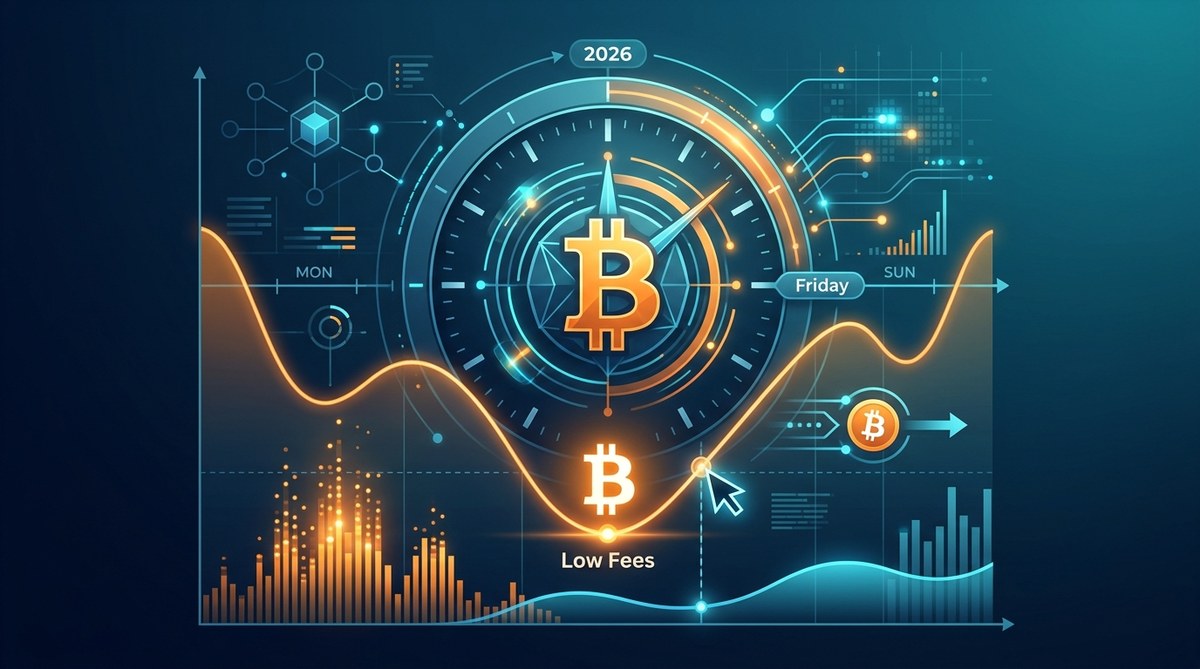
Bitcoin network activity varies throughout the day. Typically, weekends and late-night hours see less traffic. Use tools like bitcoinfees.cash to monitor real-time fee estimates. Timing your transactions when the network is less congested can significantly decrease your fees.
2. Consolidate Smaller Transactions into One
Instead of multiple small transactions, combine funds into a single transaction. This process, known as transaction consolidation, lowers overall fees because you pay once for a larger transaction rather than multiple smaller ones. If you regularly send crypto, plan to batch payments at optimal times.
3. Use Fee Estimation Tools and Wallet Features
Modern wallets offer fee estimation features that suggest the lowest fee for your desired confirmation time. Use wallets like Electrum, BlueWallet, or Ledger Live, which automatically recommend the most efficient fees based on current network conditions. Some wallets also support custom fee settings, allowing you to set the fee manually for better control.
4. Opt for Replace-By-Fee and Child Pays for Parent Strategies
Replace-By-Fee (RBF) allows you to resend a transaction with a higher fee if it gets stuck. Child Pays for Parent (CPFP) involves creating a new transaction with a higher fee that incentivizes miners to confirm both transactions together. These techniques are useful if your initial fee was too low.
5. Choose Low-Fee, High-Confirmation-Rate Periods
When your transaction isn’t urgent, set a lower fee and wait for network congestion to subside. Be patient and monitor fee trends regularly. This approach is especially beneficial for routine transfers or when confirming large balances.
6. Use Layer 2 Solutions
Second-layer protocols like the Lightning Network enable near-instant, low-cost transactions outside the main blockchain. If frequent, small payments are part of your strategy, Lightning offers a cost-effective alternative.
Common Mistakes That Drive Up Bitcoin Fees
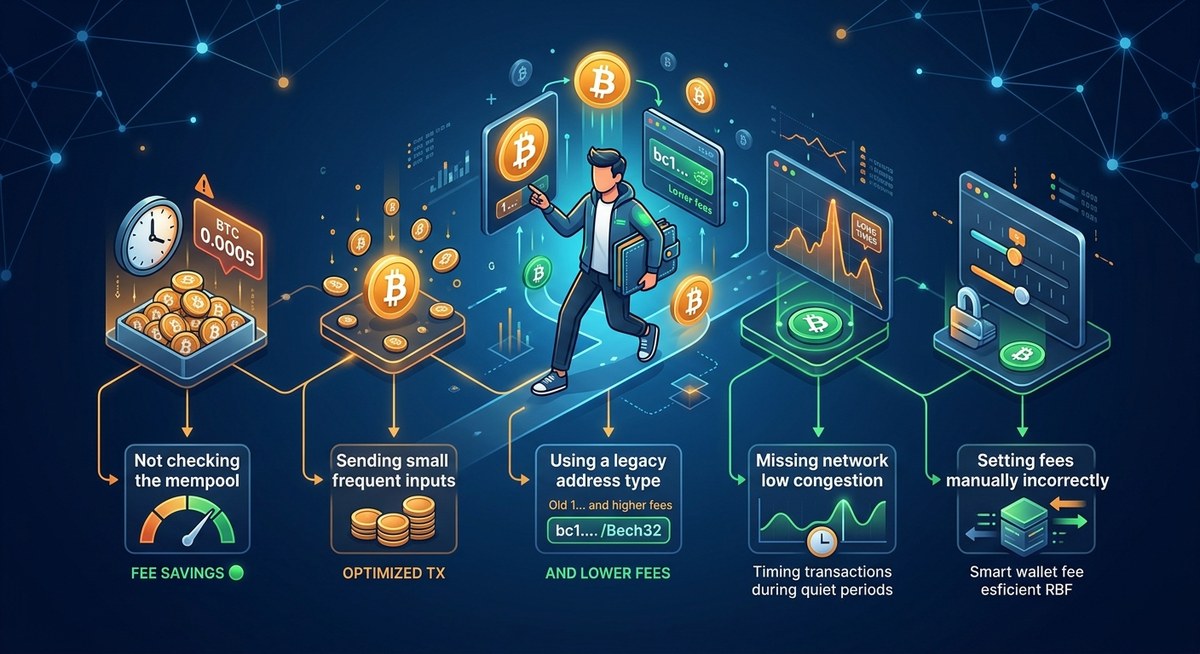
Knowing what to avoid is just as important as knowing what to do. Here are frequent pitfalls:
| Mistake | Impact | Better Practice |
|---|---|---|
| Sending unoptimized transactions | Higher fees due to large size | Use wallets that optimize transaction size |
| Waiting too long to confirm | Fees can spike if network becomes congested | Monitor fee estimates and act promptly |
| Ignoring fee estimates | Overpaying or stuck transactions | Always check real-time fee suggestions |
| Sending transactions with unnecessary inputs | Increased size and cost | Consolidate inputs when possible |
Expert Advice for Smarter Bitcoin Spending
“Timing is everything when it comes to bitcoin fees. Use fee estimation tools and avoid peak hours to keep costs low while ensuring your transactions are confirmed quickly.” — Crypto expert Jane Doe
Final Tips for Lowering Fees in 2026
- Keep an eye on network congestion via fee tracking platforms.
- Batch multiple transactions to save on fees.
- Use wallets that support advanced fee management.
- Consider layer 2 solutions for frequent small transfers.
- Be patient when the network is busy, and set lower fees for less urgent transactions.
Staying Ahead of Fee Fluctuations
Bitcoin’s fee landscape evolves as the network scales and new technologies emerge. Staying informed with tools like bitcoinfees.cash can help you adapt your strategies. Combining timing, technology, and smart wallet practices will keep your transaction costs low in 2026 and beyond.
By applying these practical steps, you can make every dollar go further—sending crypto faster and cheaper without sacrificing reliability. Remember, the key is to stay flexible and monitor network trends regularly. With a little planning, your Bitcoin transactions can become more efficient and cost-effective.








Leave a Reply